Notes on the film
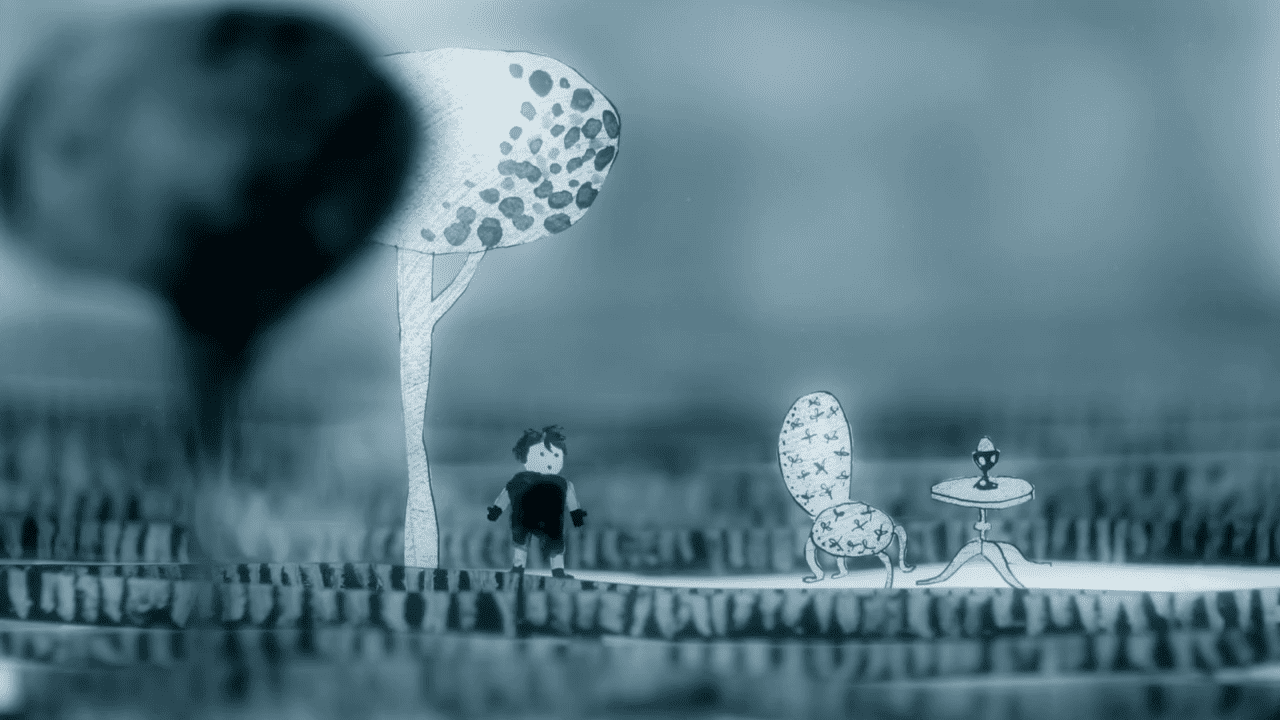
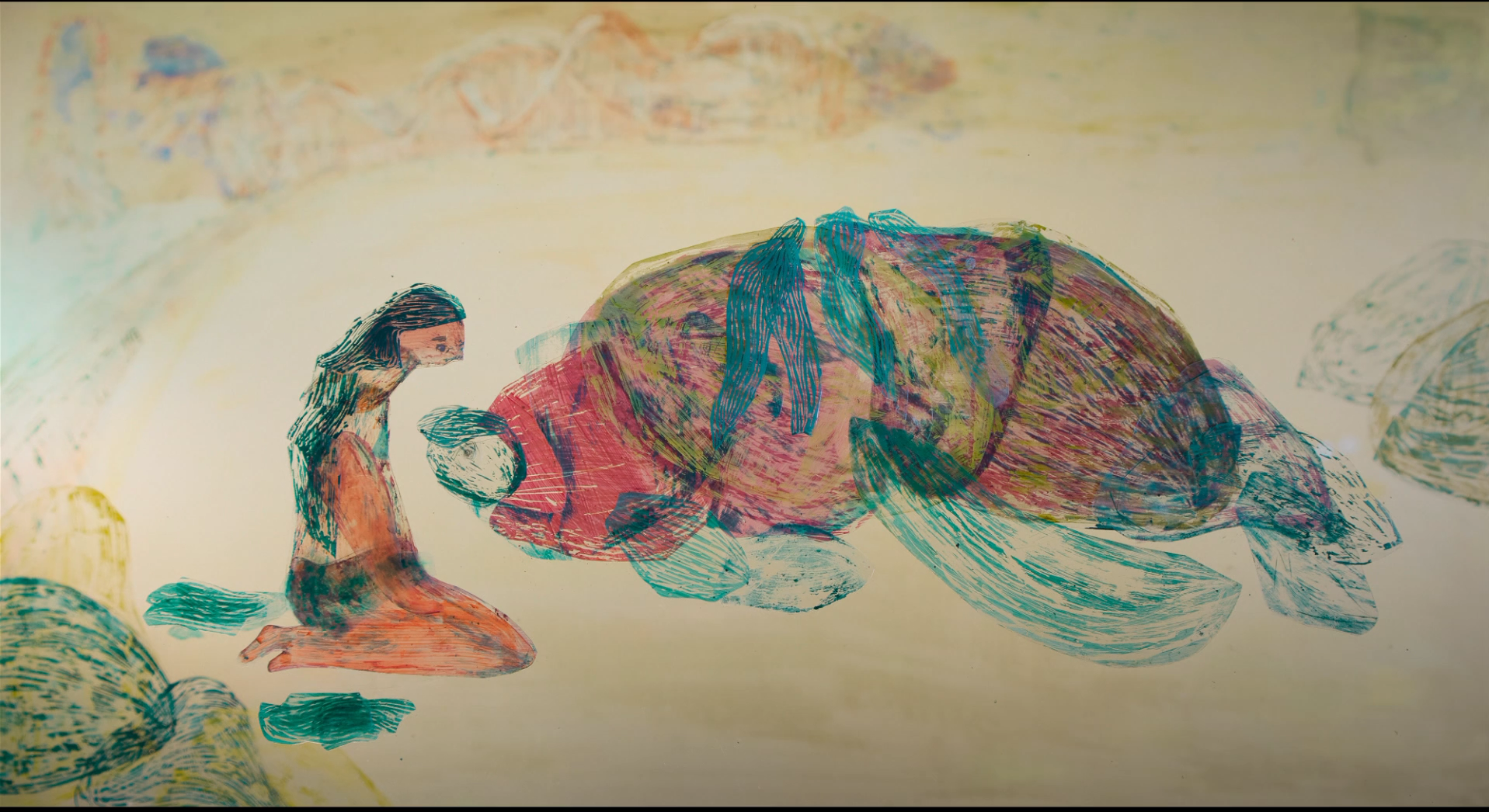
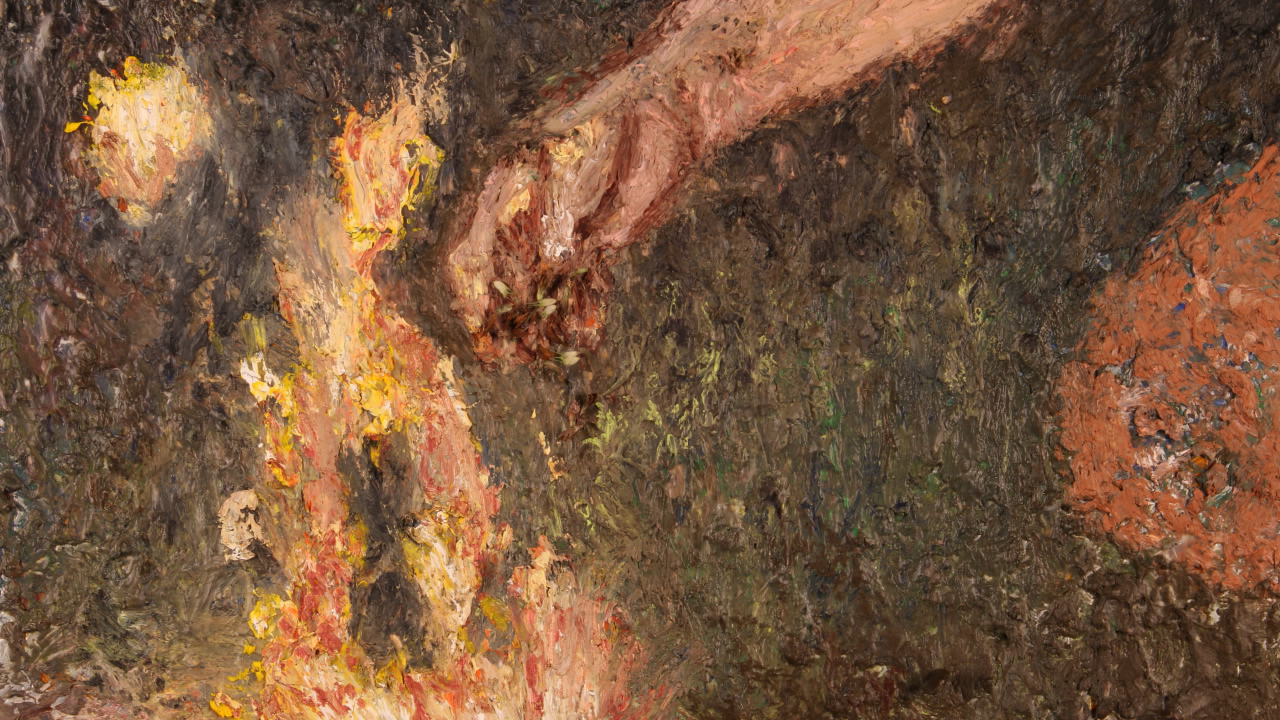
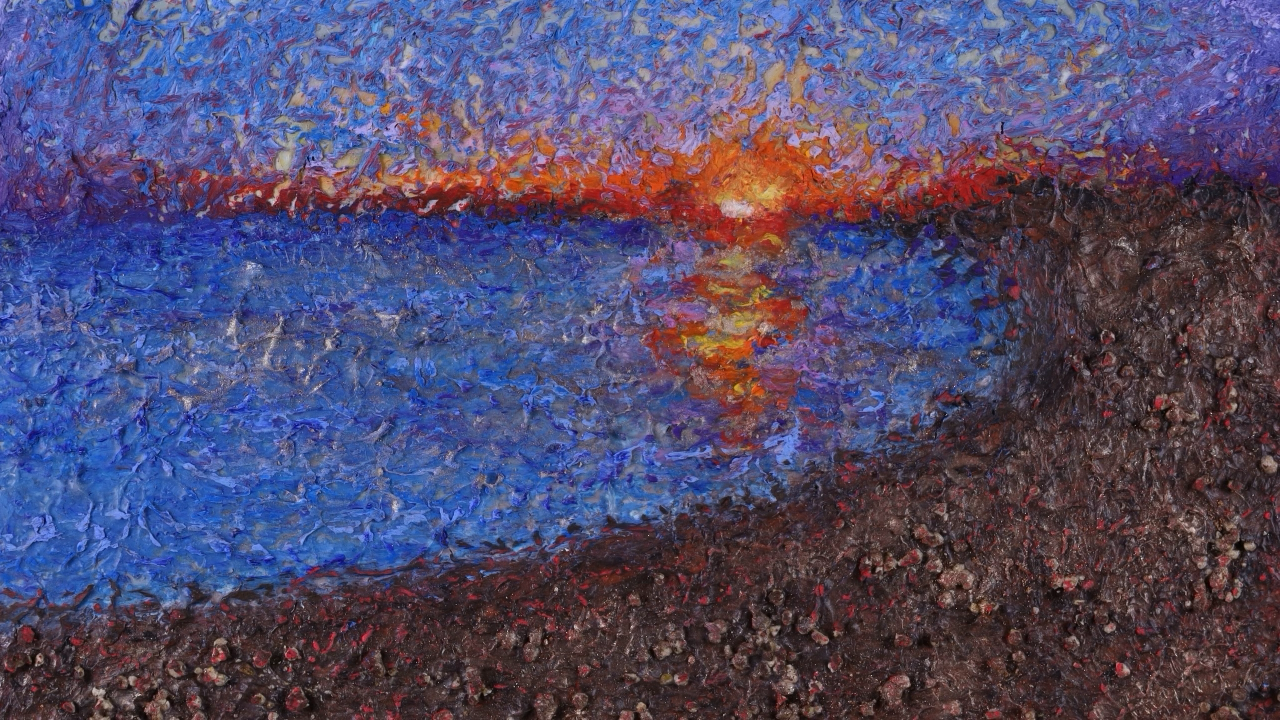
Safo is a poetic mixed-media ode to its namesake, the Greek poetess of 600 BCE whose precise identity remains obscured in historical archives. Though hailed as one of the greatest poets of her era, Safo’s writing was subjected to repeated erasure due to her focus on lesbian relationships and sexuality. As a result, most of her works are fragmented, existing primarily in citations. Director Rosana Urbes mirrors this fragmentation through an intricate collage of materials and techniques, attempting to archive and reanimate a lost voice. The imagery continually shifts between media, and the composition is veiled with blankets of botanical arrangements and leaf skeletons – never settling, always searching for form. A multiplane setup further adds depth, as if peeling back layers of history in search of something whole.
Shifting through different media coherently through thematic connection.
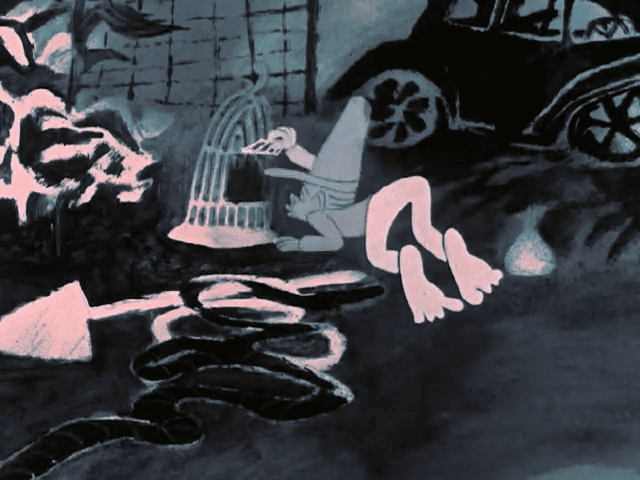
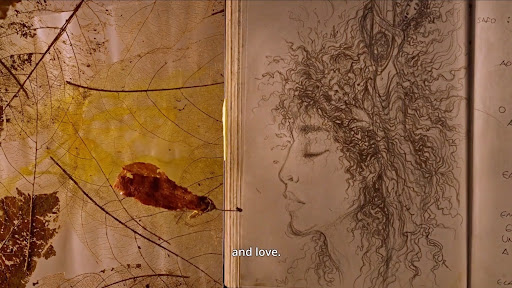
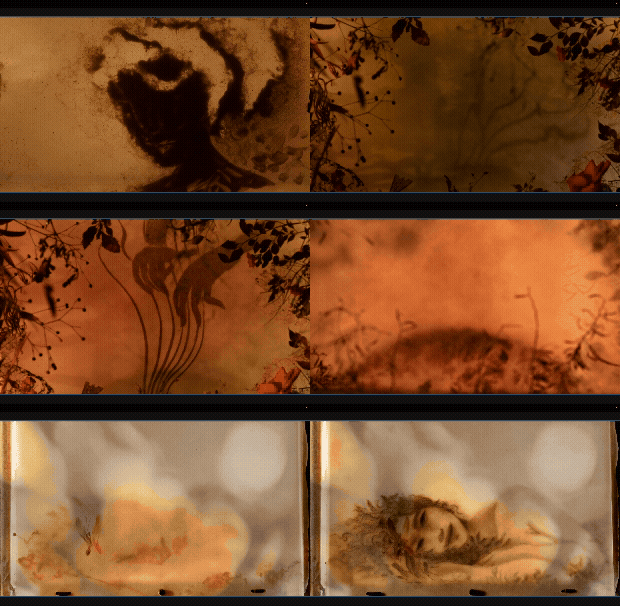
The poetic narration acts as the connective tissue between disparate materials. Charcoal is featured most prominently, carrying significance as an ancient pigment and as a more ephemeral medium that resists preservation. Animated figure drawings mark the presence of a body that smudges faster than it forms, leaving behind a cloudy impression of its faded self. Traces of erased movements that linger on the canvas attest to how charcoal resists complete erasure, mimicking the survival of Safo’s poetry despite attempts at its destruction. Made from burnt soot, charcoal also carries a funerary association, making a scene of Safo attempting to draw herself all the more evocative. Near the film’s conclusion, a sequence of charcoal figures engaged in celebratory rituals—reminiscent of cave paintings—suggests the medium itself is being archived. Botanical elements are also key to the film’s visual language, conveying a sense of delicacy while referencing the natural motifs Safo often explored in her writing. Fragile layers of dried leaf skeletons form a top layer across the frame, catching warm light and casting a golden ethereal sheen. Their placement evokes the feeling of unearthing old manuscripts from the ground, with flowers and leaves veiling the image, always resisting a fully revealed picture. In fact, the paper itself is rarely shown in full—the frame often centers on edges or fragments, never offering a complete form.
-
Materials like charcoal and paint are used to trail motion while botanical elements sheath the top layer.
-
Materials like charcoal and paint are used to trail motion while botanical elements sheath the top layer.
-
Materials like charcoal and paint are used to trail motion while botanical elements sheath the top layer.
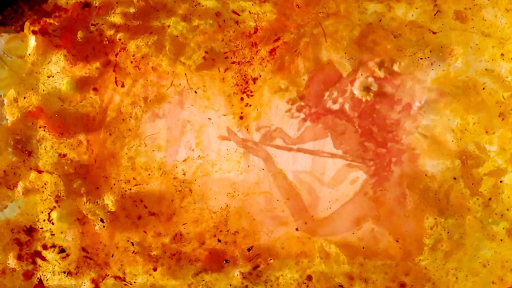
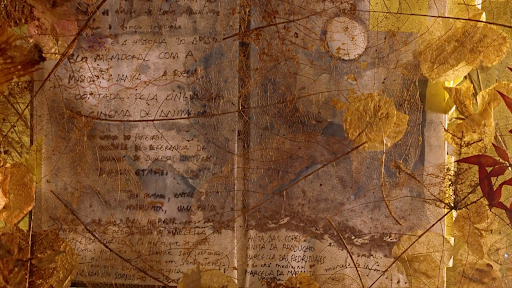
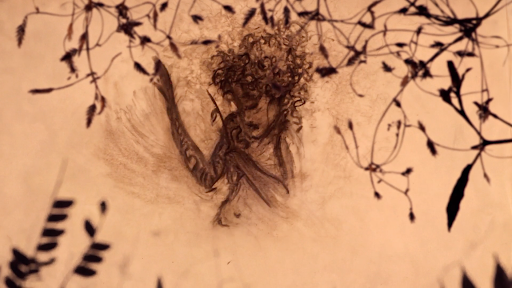
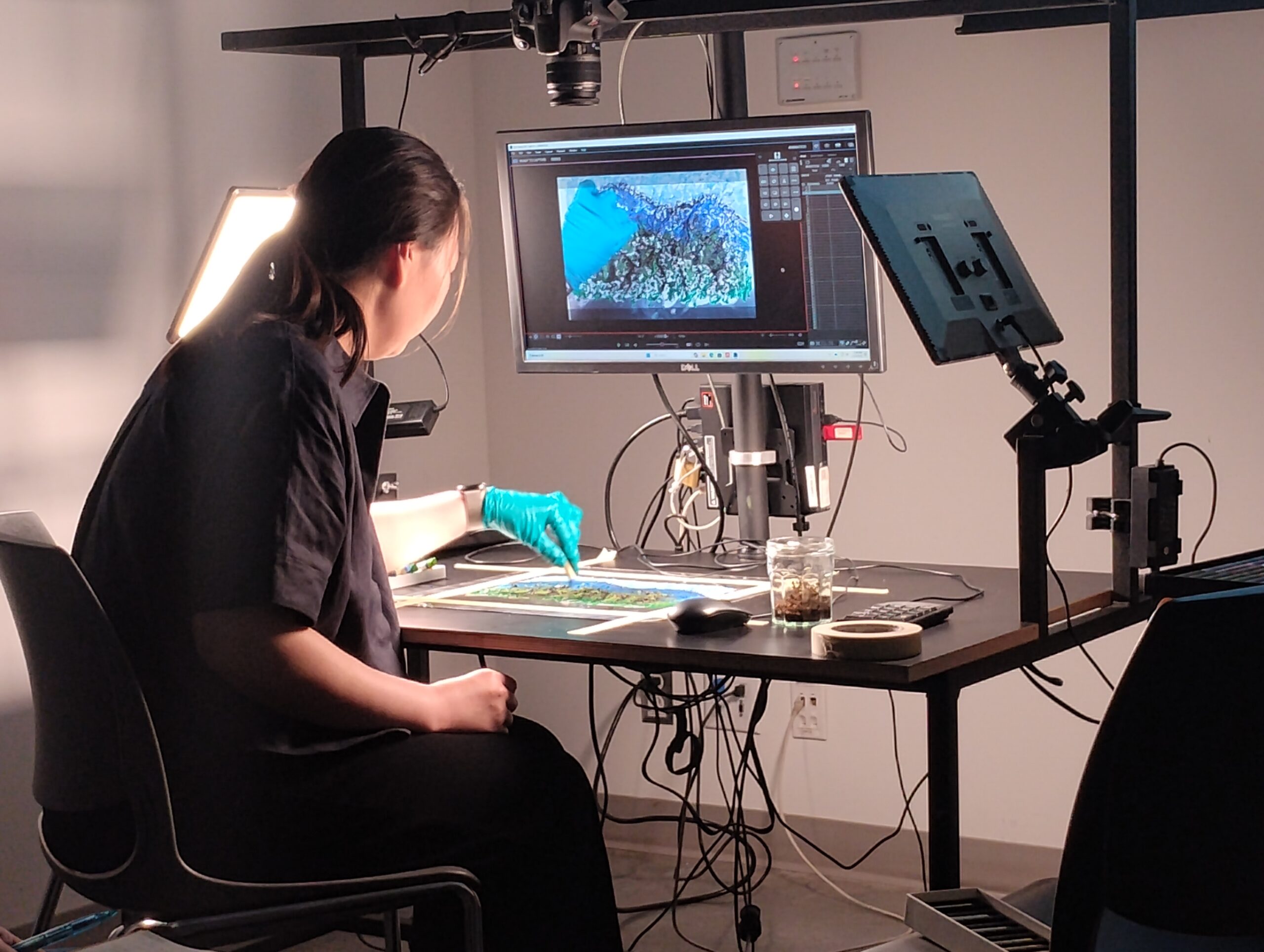
Using a large-scale multiplane setup, the film allows for extended pans and wide spatial gaps between layers, creating a parallax effect that provides a dynamic sense of spatial depth. Urbes also employs lighting as an expressive tool, bathing one vivid sequence in atmospheric violet hues of nighttime, in contrast to the film’s predominantly warm colour palette. The camera remains in motion– subtle or sweeping–reinforcing the ongoing sense of searching while adding a sense of intimacy by evoking the presence of a seeking filmmaker. In fact, the end credits feature sketches and thumbnails of the film concept and production, exposing a generally undocumented process while beautifully integrating the archival theme of the film in its very construction.
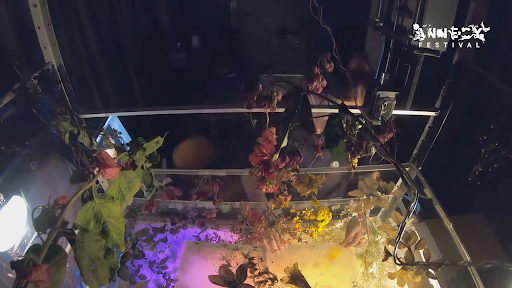
A behind-the-scenes shot of the large multiplane setup used in the production.
Through Urbes’ archival animation, Safo’s poetic legacy is extended into visual storytelling. While there were countless attempts to remove queer love from literary history, Safo’s poetic skill left deep etymological traces, with the words “Sapphic” and “Lesbian” named after her and her home island. The archival quality of Urbes’ film also recalls qualities of speculative nonfiction, where historically underrepresented demographics attempt at reimagining histories lost or denied to them. Safo not only represents the enduring presence of sapphic desire, but the presence of queer love which was unable to be recorded.

Safo’s works through history
Visit the Poetry Foundation to explore the surviving fragments of Safo’s poetry, and the historical context about her life, work, and influence on modern literature.
Visit the website here