Alisi Telengut’s Oil Pastel Animation Technique
Alisi Telengut is an award-winning Canadian animator of Mongolian roots, whose practice emphasizes relational animist ontologies through Indigenous knowledge and a materially diverse approach. During her visit to the Animate Materials Workshop as a research collaborator, Telengut demonstrated her self-developed method for working with oil pastels under the camera. Her method embodies her interest in animism, using different materials like oil pastels, acrylic gesso, glitter, dried plants, and soil to develop texturally rich, dimensional topography which evolves during the course of the animation.
Telengut’s method requires the following materials and tools:
- A firm non-absorbent surface
- Clear acrylic gel medium (or bio-compostable equivalent)
- Oil pastels (variable brands, Telengut prefers Sennelier)
- Found materials (e.g. soil, dried flowers, plant matter)
- Rubber gloves
- Artist’s tape
- Optionally, light-reflectant materials like glitter or beads
- Downshooter animation set-up
- Animation software (this demo used Dragonframe)
- .
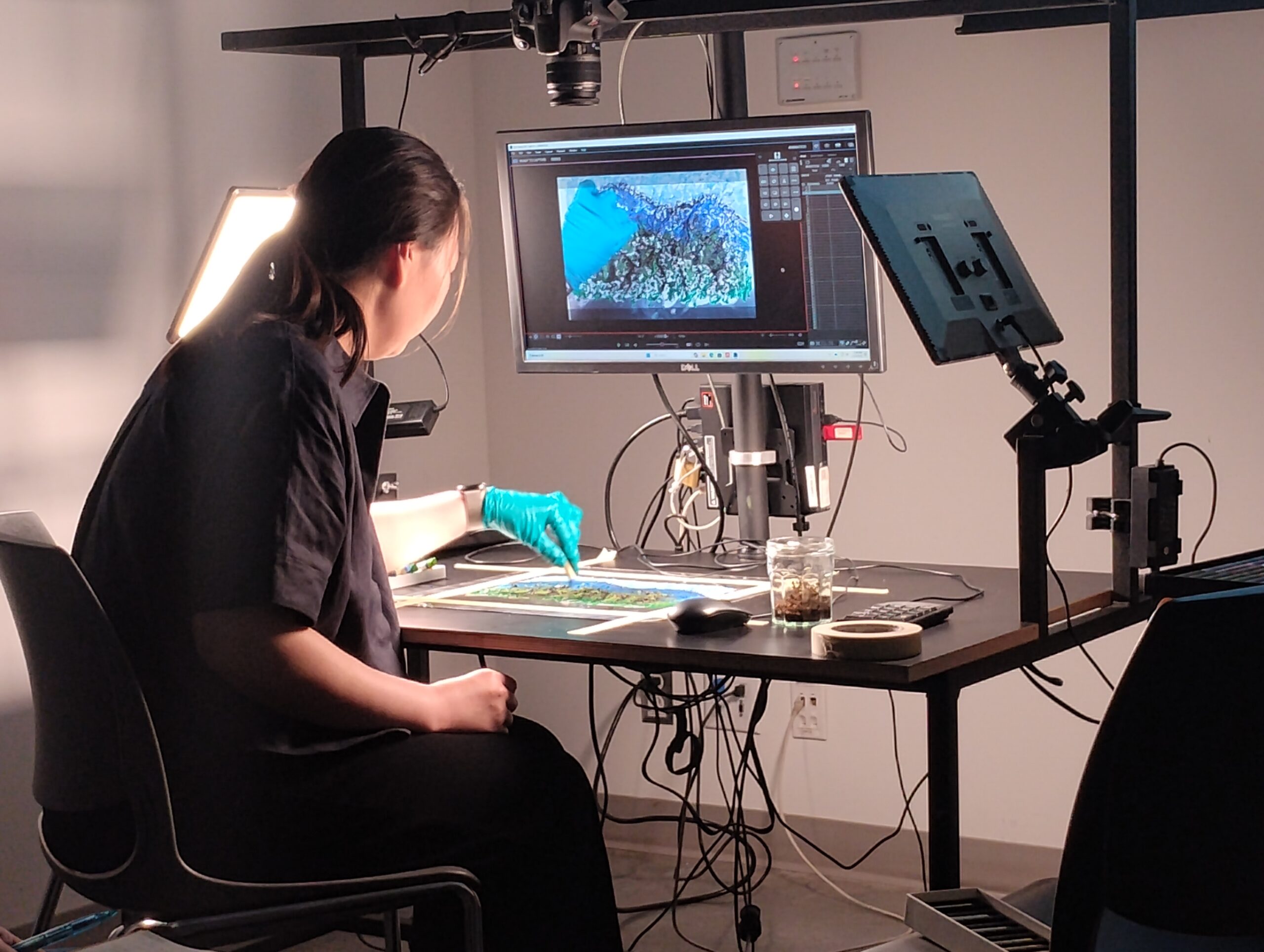
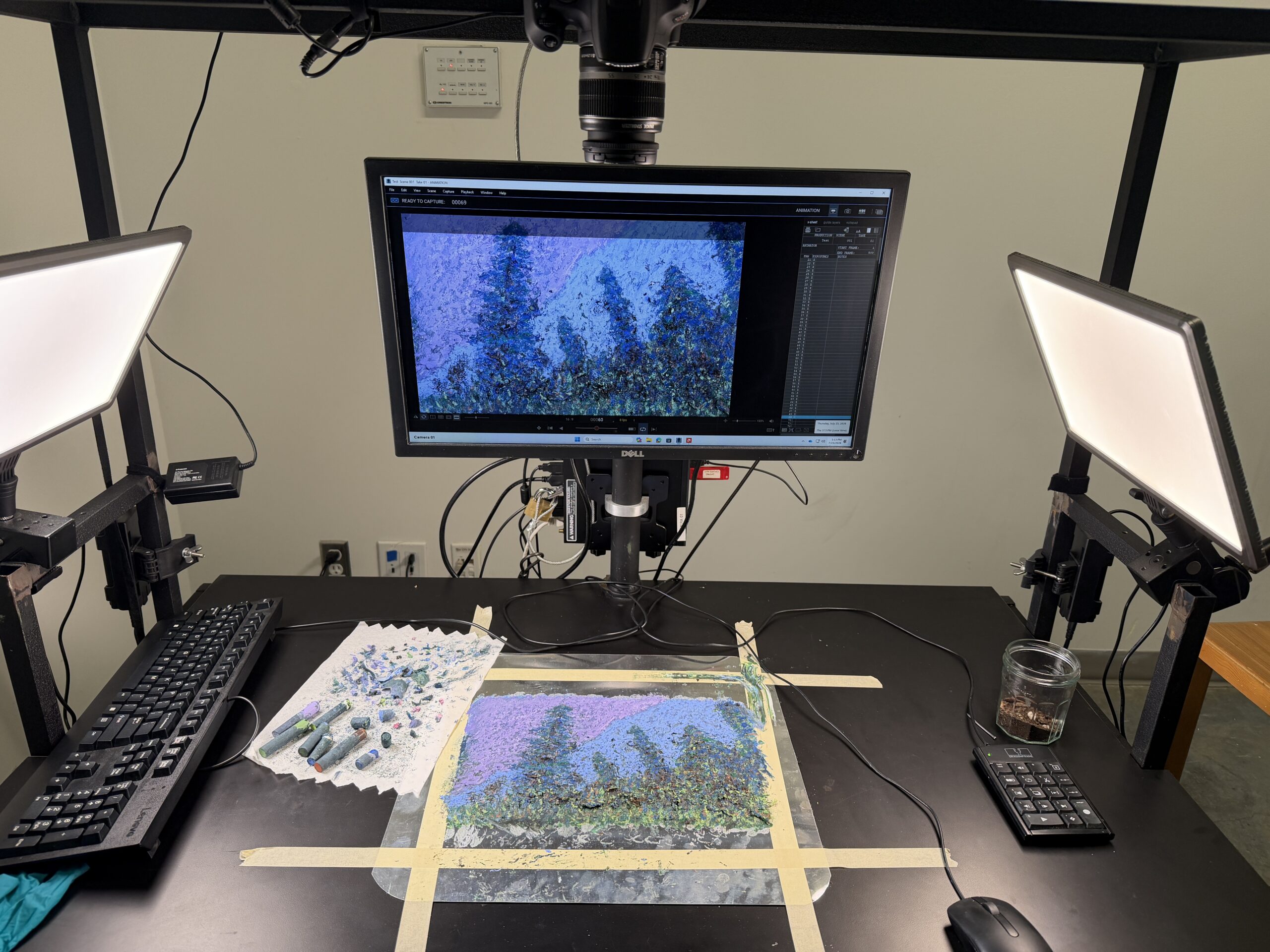
Her under-the-camera setup uses an overhead camera with two LED lights on either side to illuminate the canvas. To enhance reflectant properties of different materials, the camera lens should not have a polarizing filter.
-
A closer view of the setup used for Telengut’s animation method.
-
A closer view of the setup used for Telengut’s animation method.
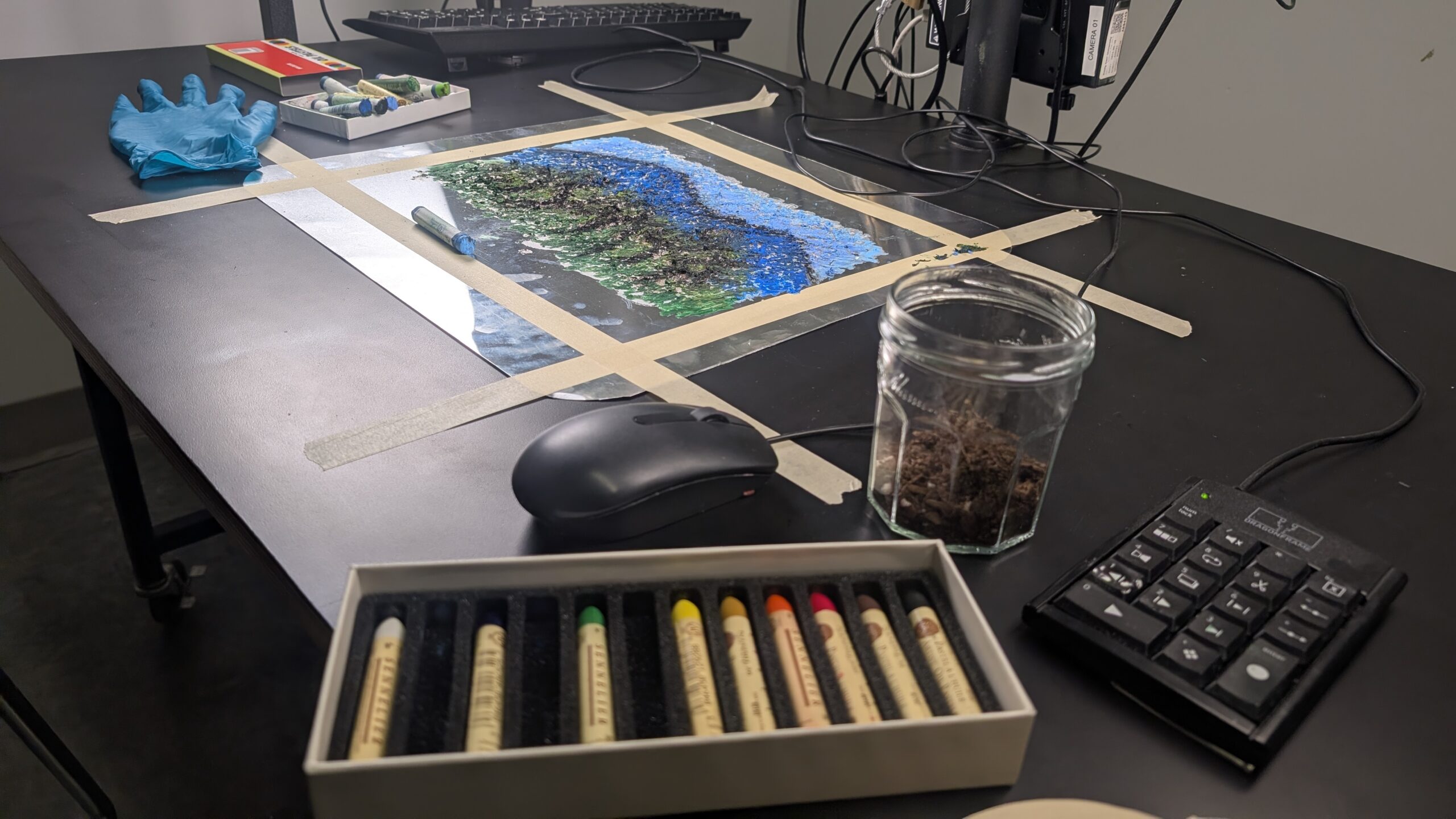
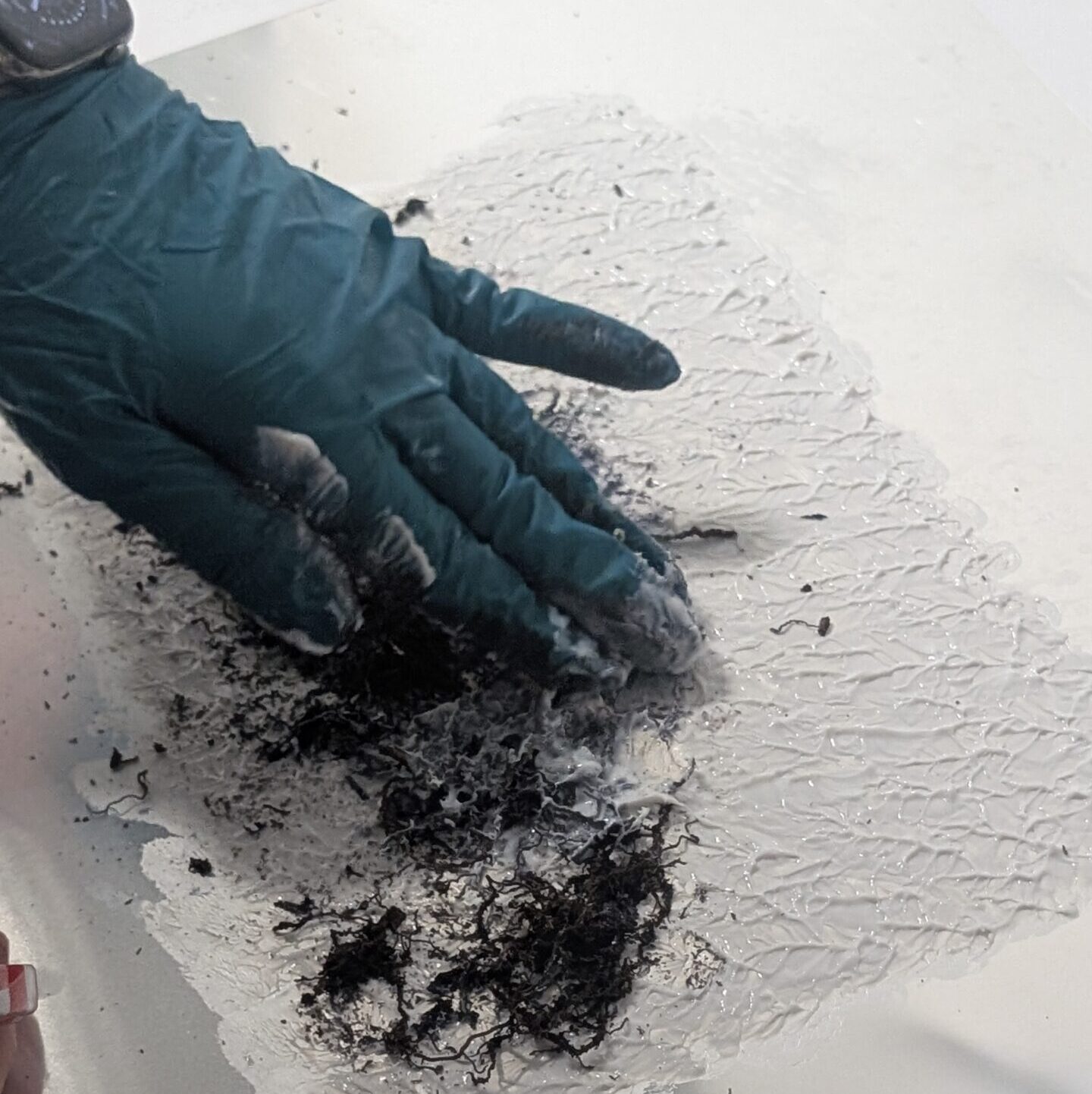
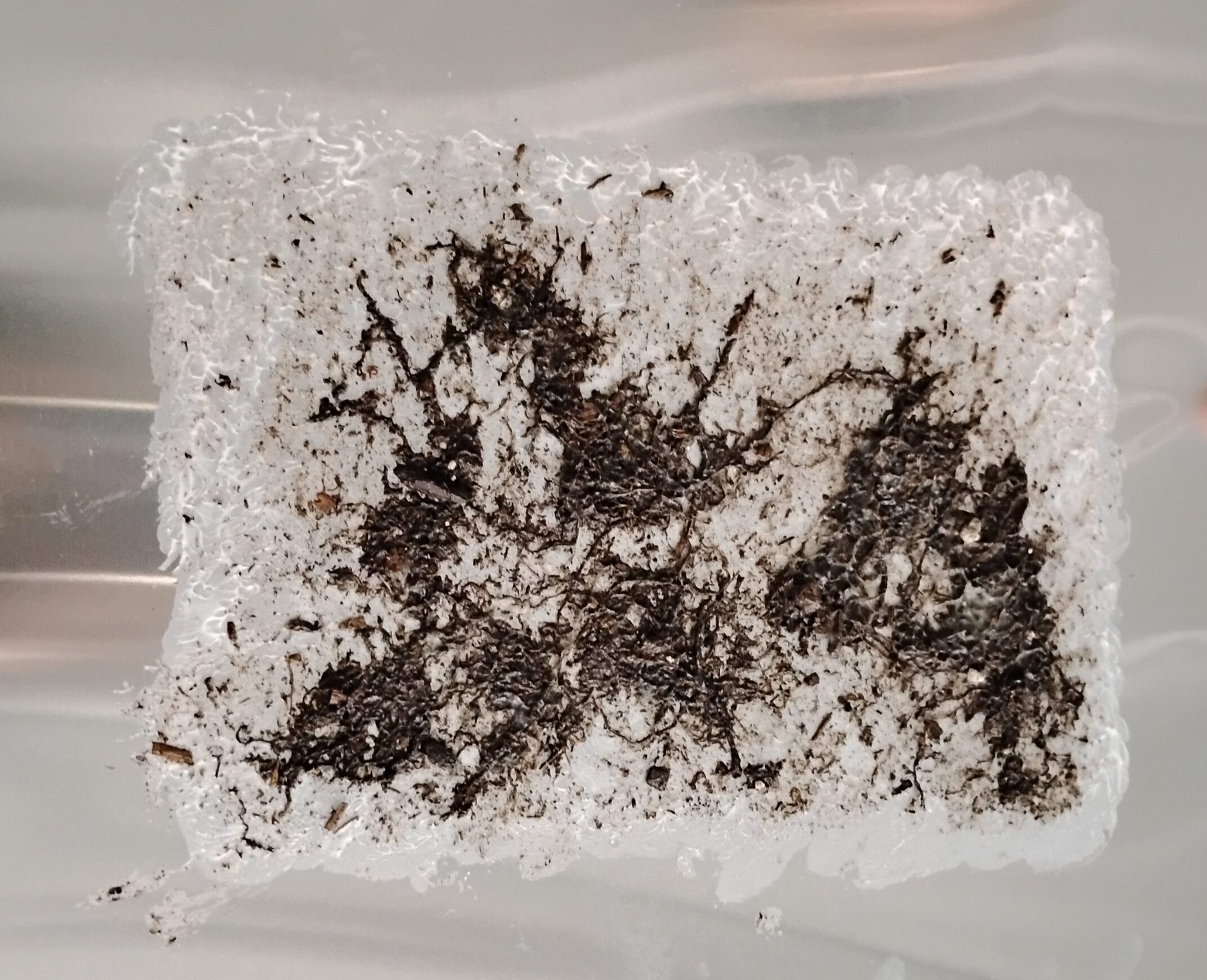
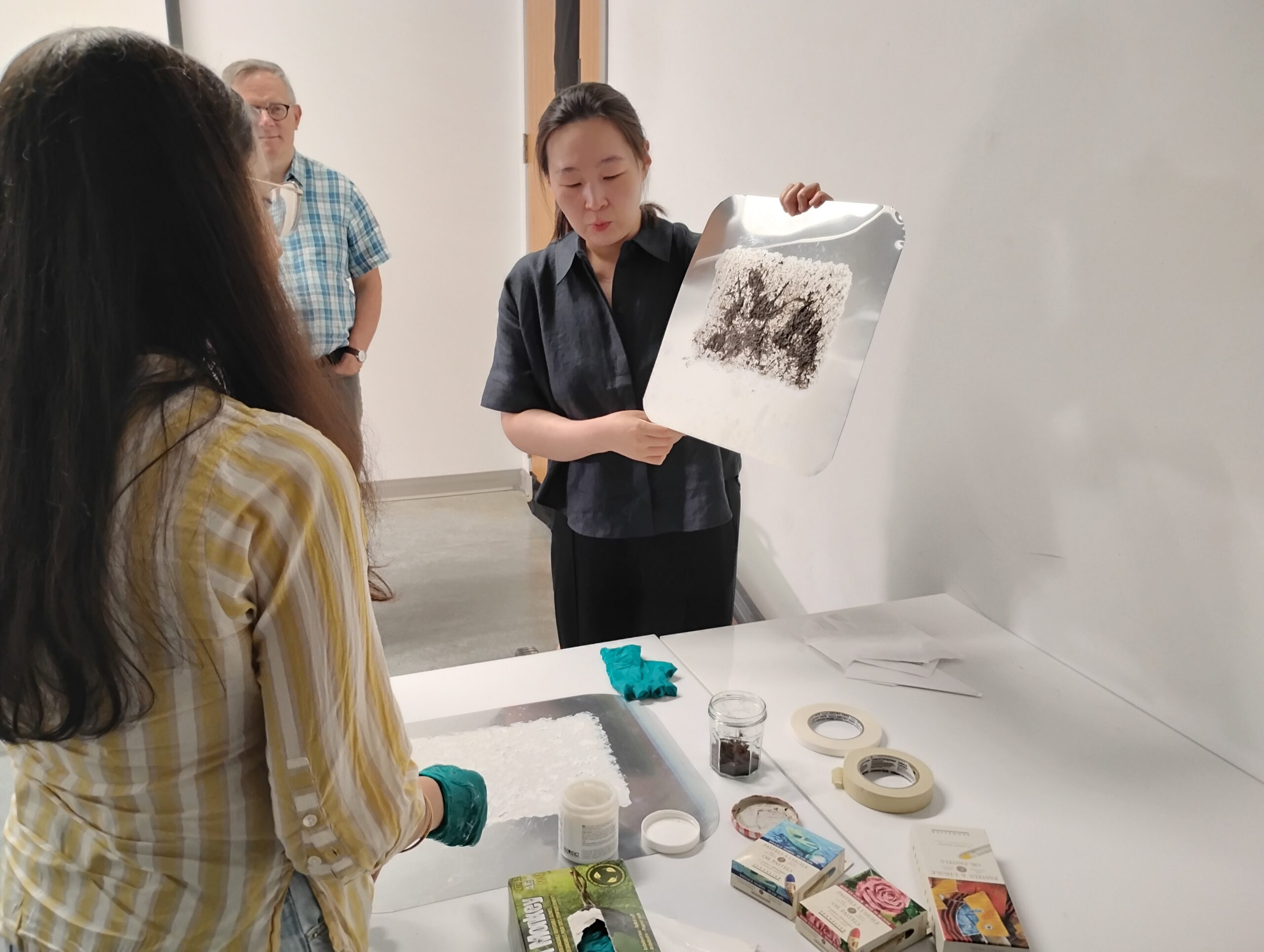
This demo used discarded photolithography plates (taken from the ECU Print Studio) as the non-absorbent base layer. To prepare the surface for animation, a thick layer of clear acrylic gel is applied and worked with fingers to shape the surface relief. Artist tape helps secure the plate in place during application. The gesture of the fingers – a soft tap or a swift swipe – determines the different textural treatments, something that could be considered to match the intended composition. Organic materials–in this case soil and shredded fragments of paper– are then placed onto the surface and secured with another layer of gel medium. Incorporating these materials further diversifies the texture on the canvas and enables a possible symbolic connection between the materials and the chosen subject for the sequence.
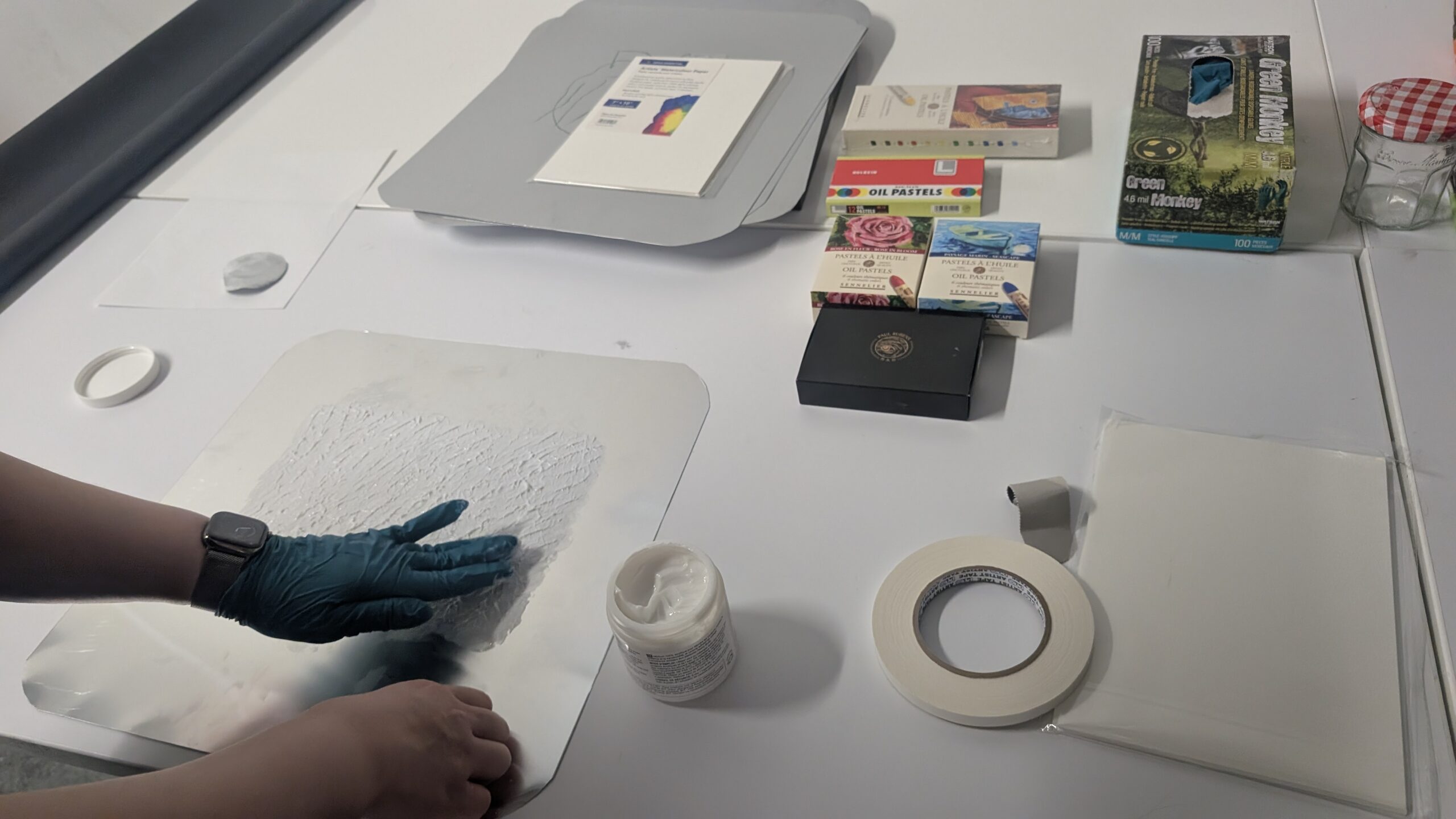
Some of the materials used for Telengut’s process.
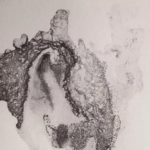
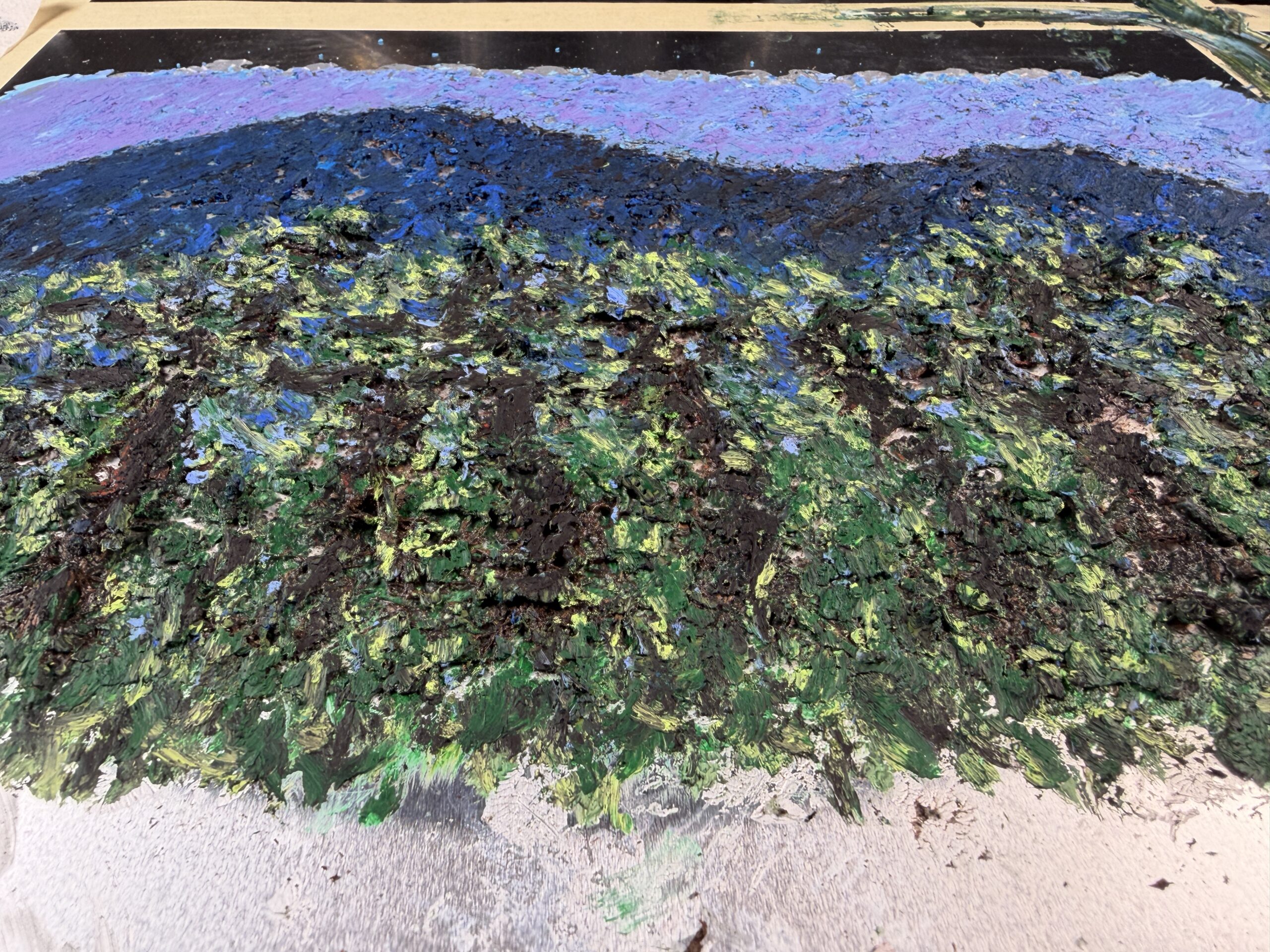
Oil pastels are inherently smooth and fluid, rendering creamy strokes. However, Telengut’s treatment of the metallic sheet creates a surface on which the pastels take on a dimensional, coarse, textured appearance, with individual strokes retained rather than blended together.
-
Telengut demonstrating how to prepare the surface using clear acrylic gel and organic materials like soil.
-
Telengut demonstrating how to prepare the surface using clear acrylic gel and organic materials like soil.
-
Telengut demonstrating how to prepare the surface using clear acrylic gel and organic materials like soil.
Once the prepared surface is completely dry, it is ready for the oil pastels. Telengut’s process is accumulative: each frame is drawn directly over, and based on, the previous one, building on the same foundational surface. As the pigments are layered continually, they risk blending into an oily and muddy mass that loses the chromatic brilliance of the oil pastels. To prevent this, the gel medium is applied regularly as a fixative between layers of pastels to break the surface while retaining the original image, ensuring workability over extended frames. It also reintroduces surface relief incrementally when layers of pastel inevitably fill in and smooth the pronounced textures. Pastels are rubbed onto the surface, catching the ridges of the relief. Adding materials like glitter or metallic pastels creates a reflectant shimmering effect.
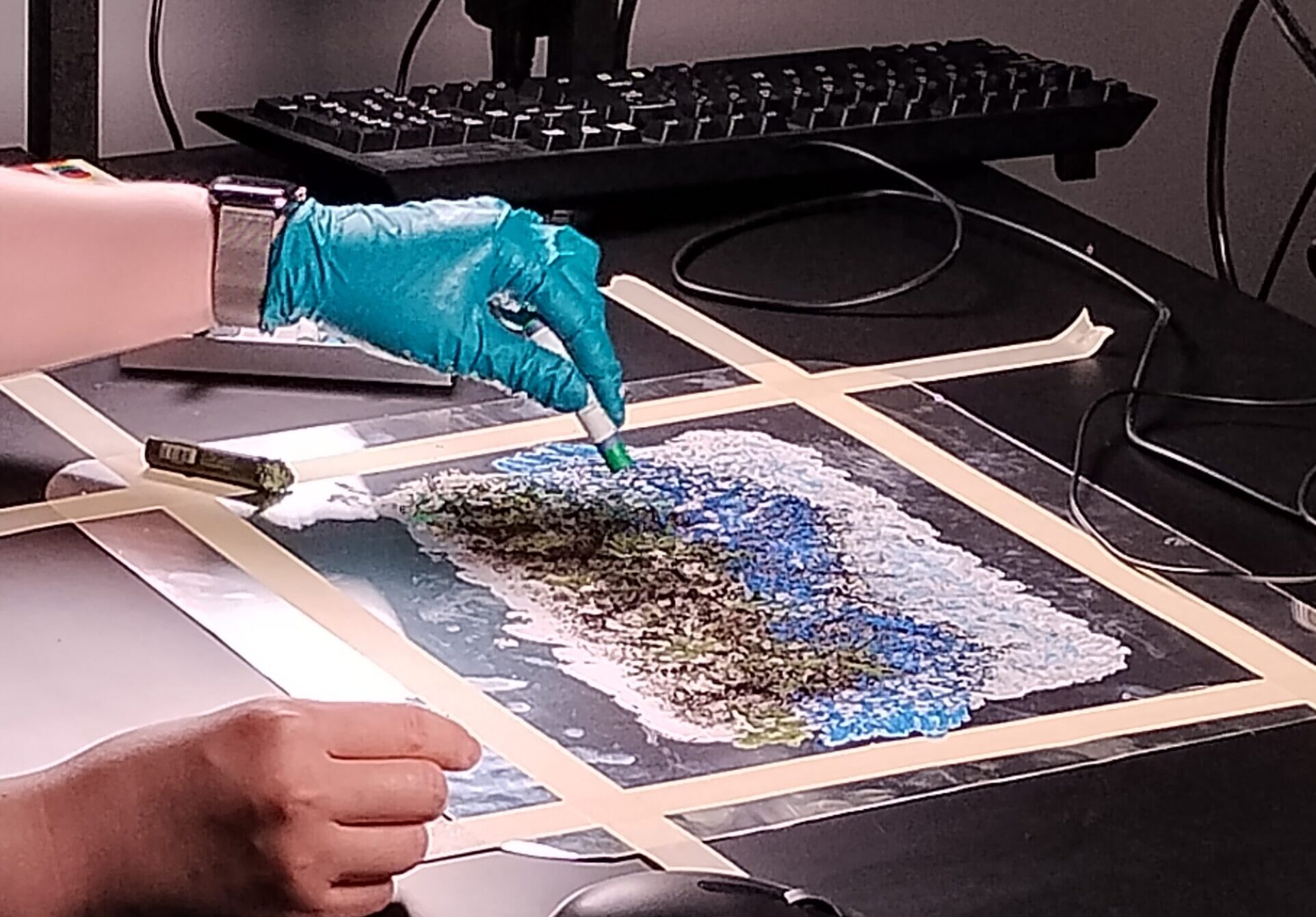
Telengut rubs pastels onto the surface relief to create the composition.
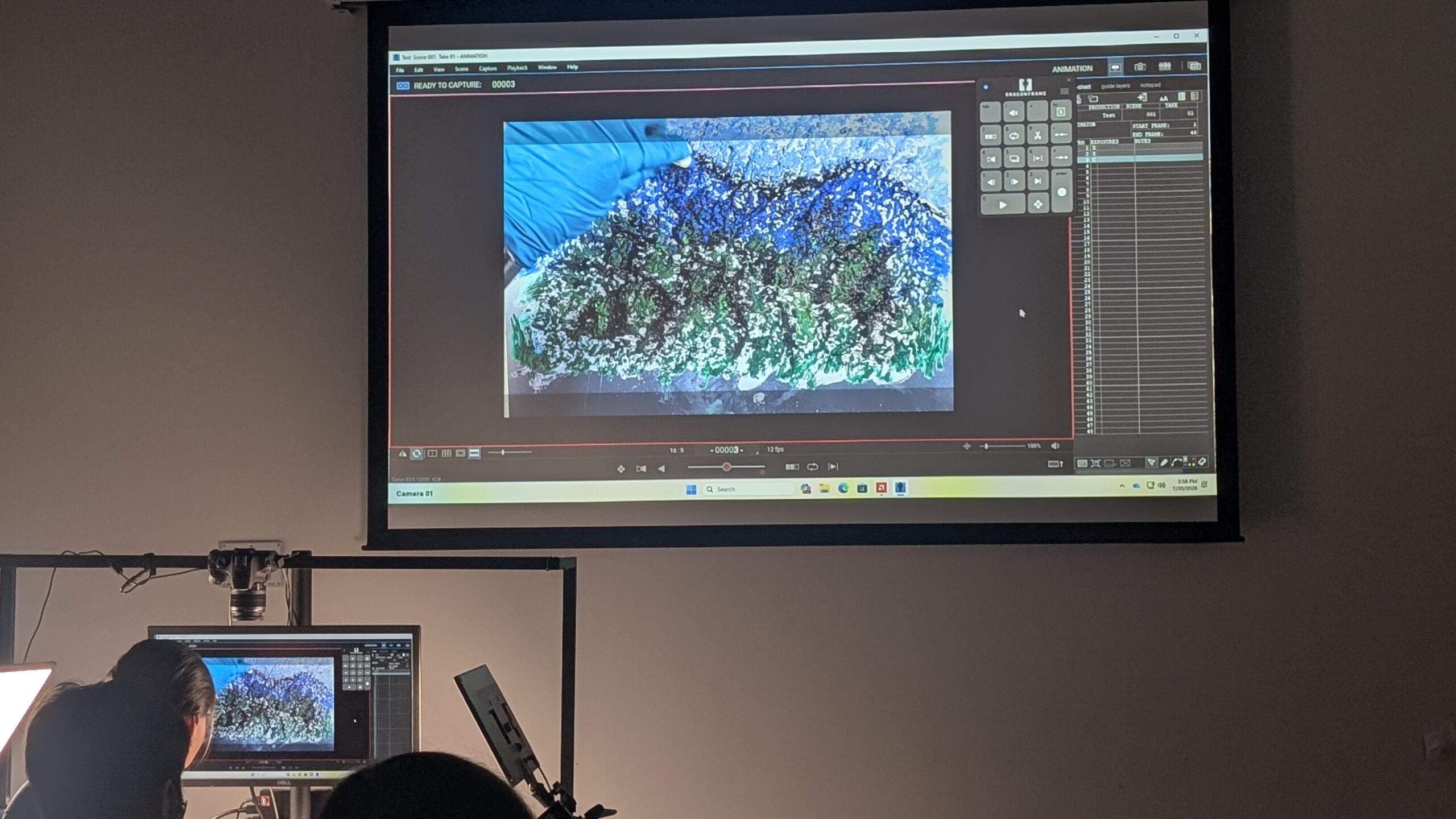
The first image laid onto the base takes the longest to make, as Telengut observes in her demonstration. Often, gaps remain where the raised peaks of gel dip, slowly covered as progressive layers are laid atop. This captures a sense of the image forming in the first few frames, almost like recording a painting being created. Telengut repeatedly goes over the same areas, maintaining a consistent shade of pastel, giving her shots an effervescence of shifting pastel strokes, signature to her film’s visual aesthetic. The software Dragonframe was used for this demo, set at Telengut’s preferred frame rate of 8fps.
-
A behind-the-scenes still of Telengut’s animation process
-
A closer view of the animation surface with a textured pastel composition.
Telengut frequently brings in found objects like stones, minerals, or plants and animates them directly on top of her pastel composition, juxtaposing three-dimensional objects with the two-dimensional painted animation. Functionally, she notes that this saves time and labor otherwise required to draw these elements frame by frame. Integrating real materials also instantly directs the audience’s attention to familiar objects and can serve as a narrative device. Many of these objects connect thematically to the film or its production, and she collects some from around her studio to serve as “actors” in her films.
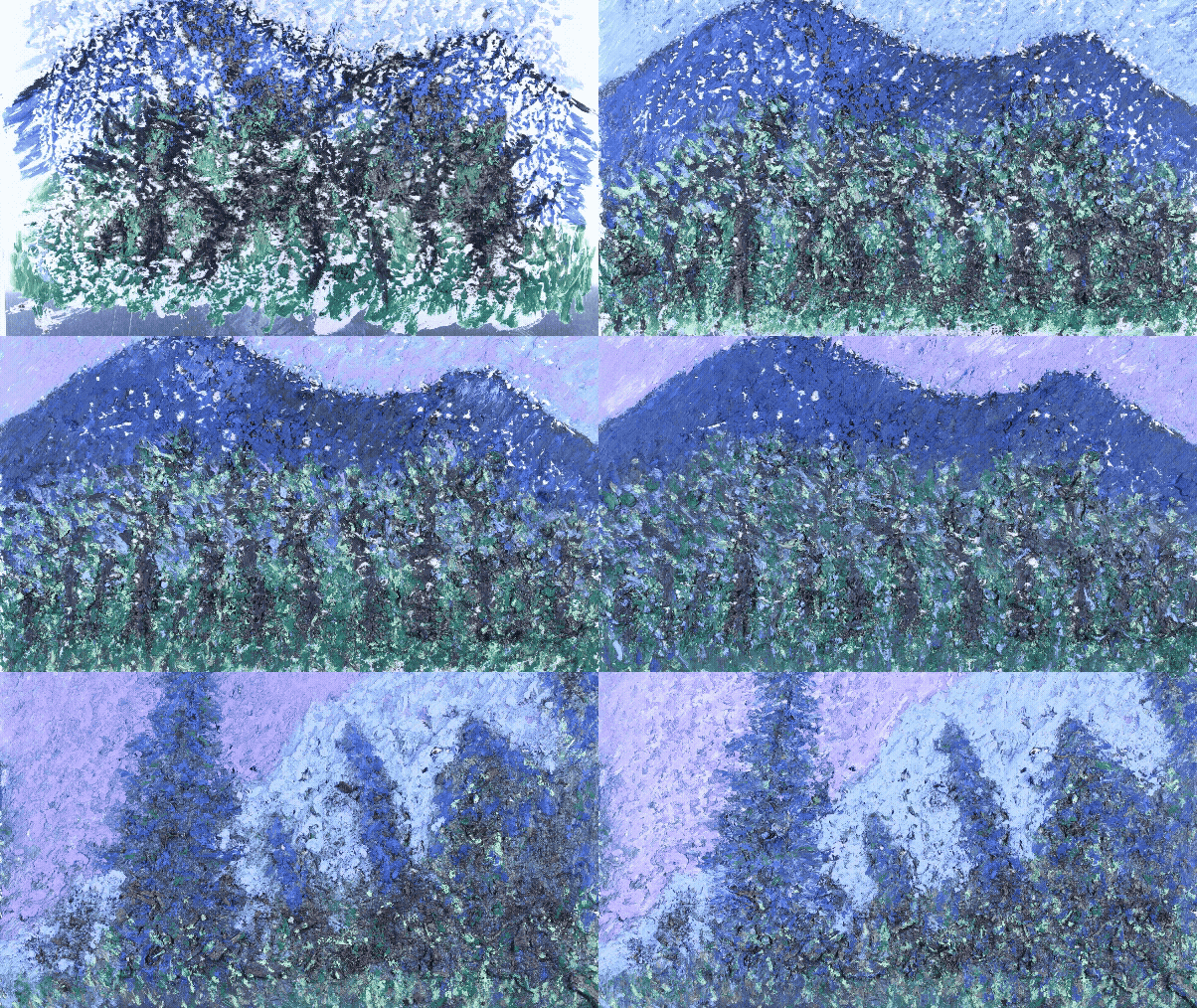
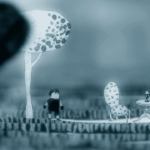
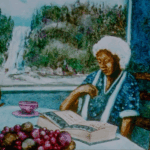
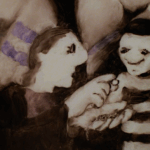
Short scene animated by Alisi Telengut.
Telengut spent several hours animating a single short sequence inspired by her first impressions of Vancouver’s mountain horizon and her visit to Stanley Park. The sequence begins with a straight-ahead shot of a forest landscape against a mountain range, before transitioning into a low-angle dynamic shot of grand fir trees. The soil she prepared on the base layer guided where she positioned elements, showing how her workflow was adaptive and responsive to the materials used. The transition was conducted by gradually introducing the broader shapes of the second image and incrementally metamorphosing the composition directionally to give it an upward sweeping effect. Telengut shares that her transitions are typically intuitive and improvisational; she has only a general idea of the next image when she starts leading the materials toward it, often adjusting to the behavior of the pastels.

Alisi Telengut’s work
Explore films by Alisi Telengut that showcase her unique oil pastel technique, along with more insights into her animation process.
Visit her website hereThe Song of the Sky and the Breath of Stones in Baigal Nuur – Lake Baikal
Telengut examines how hands-on material practices in animation can articulate relational modes of thinking, with the material, artist, and environment engaged in a shared field of agency.
Read the article hereEco-friendly Acrylic medium
A natural alternative to the petroleum-derived acrylic medium typically used in painting.
Read more about the medium here