Alisi Telengut on Animist Cosmologies
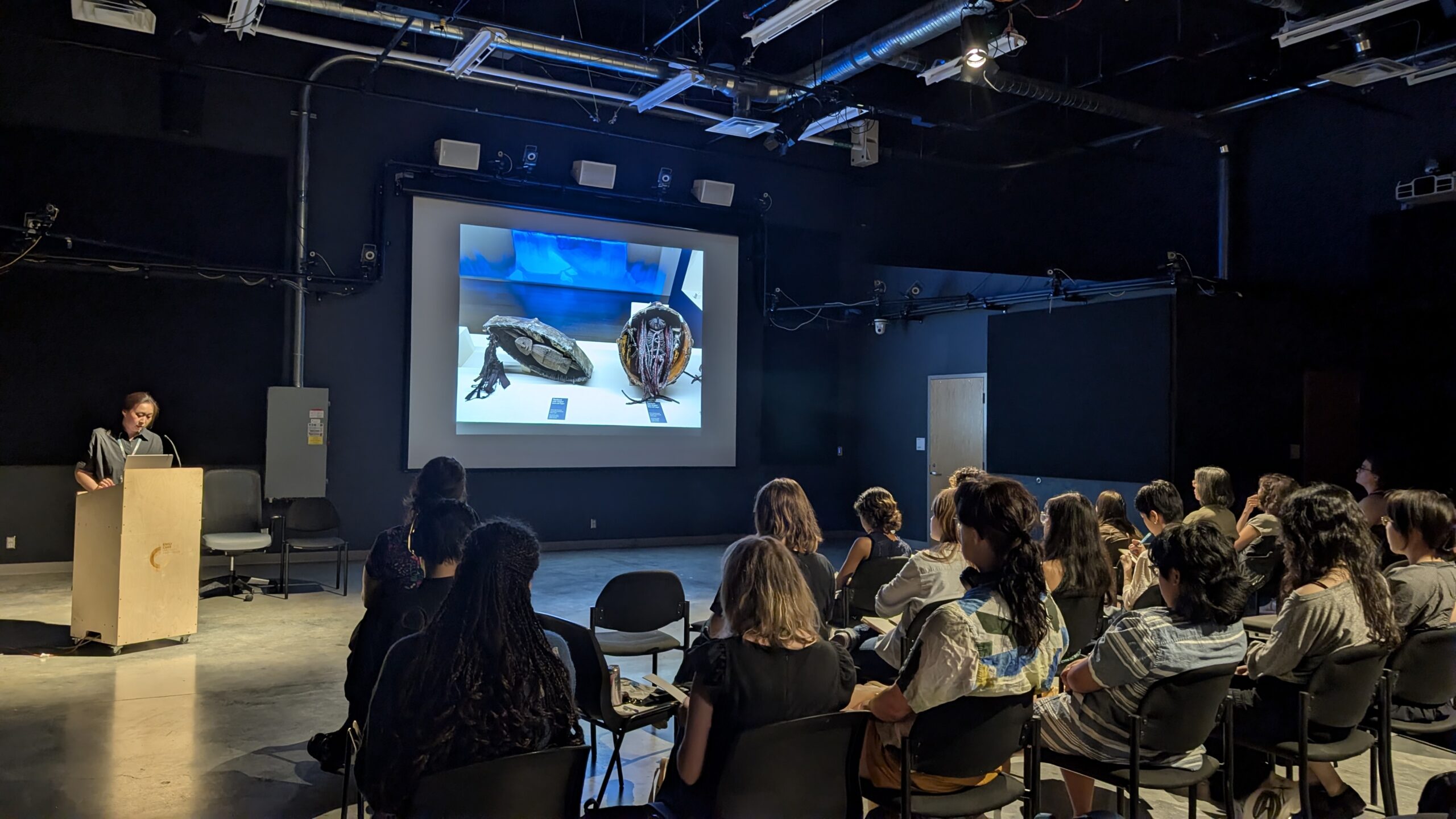
Alisi Telengut is an acclaimed Canadian animator and research collaborator at the Animate Materials Workshop who visited the workshop for a residency in July 2026. During her visit, Alisi gave a presentation that expanded on her films’ engagement with animism as a relational ontology in which the world constitutes both human and non-human “persons” within a multi-species, interconnected community of beings. This disrupts the anthropocentric worldview of Western Rationalism, which operates on the Cartesian dualism of animate and inanimate matter. This tension has historically led anthropologists like Edward Taylor to attribute animism to so-called “primitive” cultures, framing these beliefs as a failure to distinguish subject from object. Alisi favours the term “new animism,” coined by scholar Graham Harvey, as a way to reframe the word away from its historical connotations and validate Indigenous knowledge systems and wisdom grounded in an accountability to the environment.
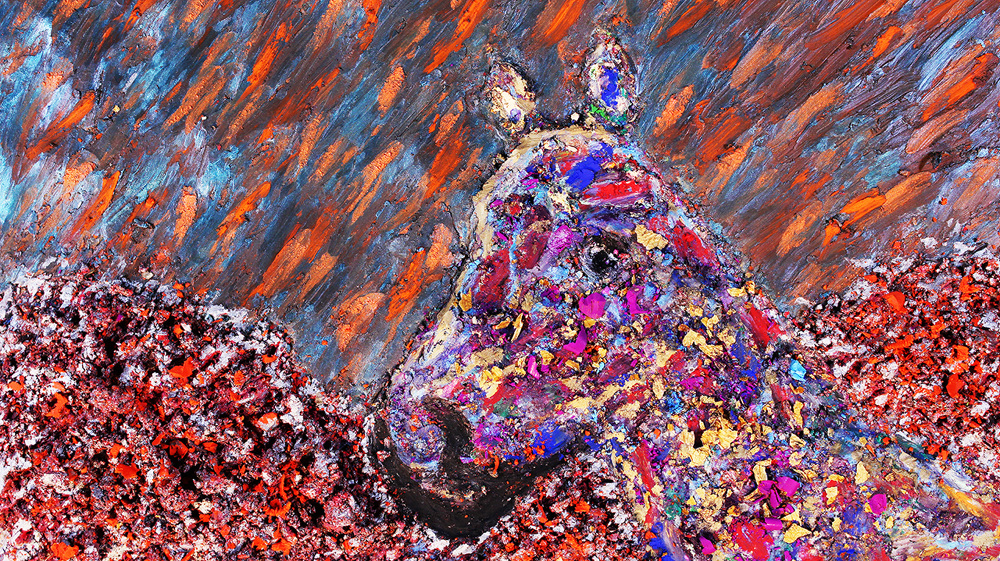
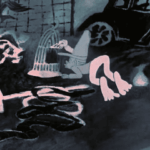
A still from Nutag- Homeland
Telengut’s films not only represent animism thematically, but enact it through the agency and subjectivity of the materials, as well as the symbiotic relationship between the artist and the materials that collaboratively create the film. By de-centring humans from her narratives, she shifts attention to vibrant ecosystems and wildlife, and to the relationships fostered between human and other-than-human entities through indigenous rituals, practices, and epistemologies.
During her talk, Alisi connected these ideas to the following films included in the audience screening:
- Tengri (2012)
- Tears of Inge (2013)
- Nutag- Homeland (2016)
- The Fourfold (2020)
- Baigal Nuur- Lake Baikal (2023)
- Becoming Air (2024)
- .
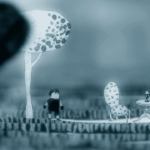
Tears of Inge (“inge” being the Mongolian word for a female camel) depicts a traditional nomadic practice of the human-animal connection. Featuring narration by Telengut’s grandmother, the film explains how, after a painful childbirth, a mother camel often rejects her offspring. Mongolian nomads then sing sad songs to the camel while gently stroking her back; she cries as the music touches her, and she embraces her child. Through this story, Telengut thematically exemplifies the animist worldview that foregrounds her practice– a symbiotic relationship between humans and animals who share in and communicate pain, healing, and acceptance.
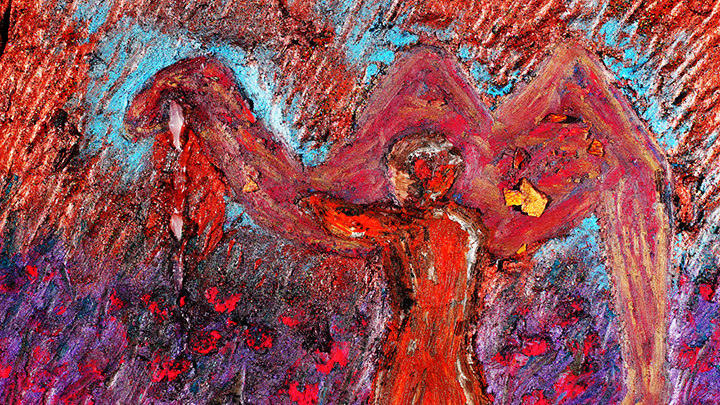
A still from Tears of Inge
Telengut’s understanding of animism extends anthropologist Irving Hallowell’s concept of “other-than-human person”. Hallowell examines Ojibwa vocabulary and philosophy that ascribes personhood to beings that participate in relationships and gain personhood through them, radically contrasting the Western dogmatic animate-inanimate dichotomy. The ontology of animacy in Ojibwa thinking extends to many kinds of person-objects beyond humans. Telengut quotes Hallowell’s essay, ‘Ojibwa Ontology, Behavior, and World View,’ which has since influenced many animist scholars, including Graham Harvey, in their approach to new animism:
“ I once asked an old man: Are all the stones we see about us here alive? He reflected a long while and then replied, ‘No! But some are.’
IRVING hAllowell, 1960
Telengut extends other-than-human personhood to Mongolian vocabulary. For example, she explains how “Hun-Shuvuu”, the word for “swan”, translates literally to human-bird, identifying personhood beyond the human being. The irreducible animism in Indigenous vocabularies becomes important to her most recent project, Baigal Nuur-Lake Baikal, which visualizes the formation of the world’s oldest and deepest freshwater lake in Siberia. The film is narrated in Buryat – an endangered Indigenous Mongolian language – by a woman who recites its vocabulary as compositions unfold through various geological processes. In some instances, translation reduces the language’s intricacies; the word “thunder” is spoken 3 different ways but appears as one recurring word in the subtitles. “Tengrin-duu” is one of these terms, roughly translating to the sky’s sound or the song of the sky, thereby ascribing agency to the sky, akin to an organism or person.
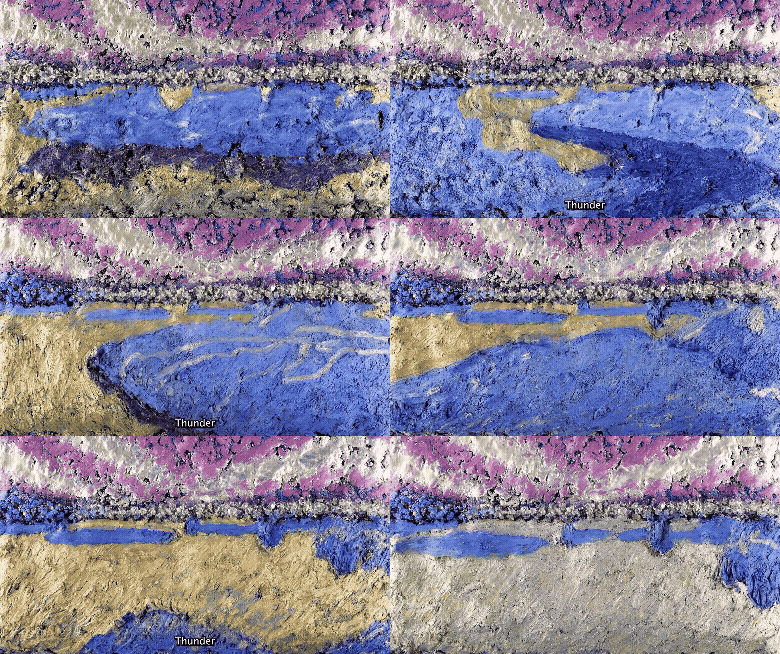
In Buryat–Mongolian, thunder has three different terms, but the translation flattens them to simply “thunder”.
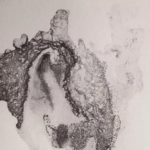
A distinguishing feature of Telengut’s recent films is her integration of found objects, animated directly on her pastel surfaces. Throughout her practice, she gradually began incorporating physical materials, often found around her production studio, as inhabitants of the flourishing landscapes she depicts. In films like The Fourfold, these materials become protagonists, with plants, flowers, moss, and glass beads coalescing into a rich, layered environment. This process imbues objects with material agency while echoing the animist sentiment in the film’s narrative, in which Telengut’s grandmother describes Mongolian rituals and practices rooted in reverence for nature.
-
Physical objects are layered over the pastel compositions in films like The Fourfold.
-
Physical objects are layered over the pastel compositions in films like The Fourfold.
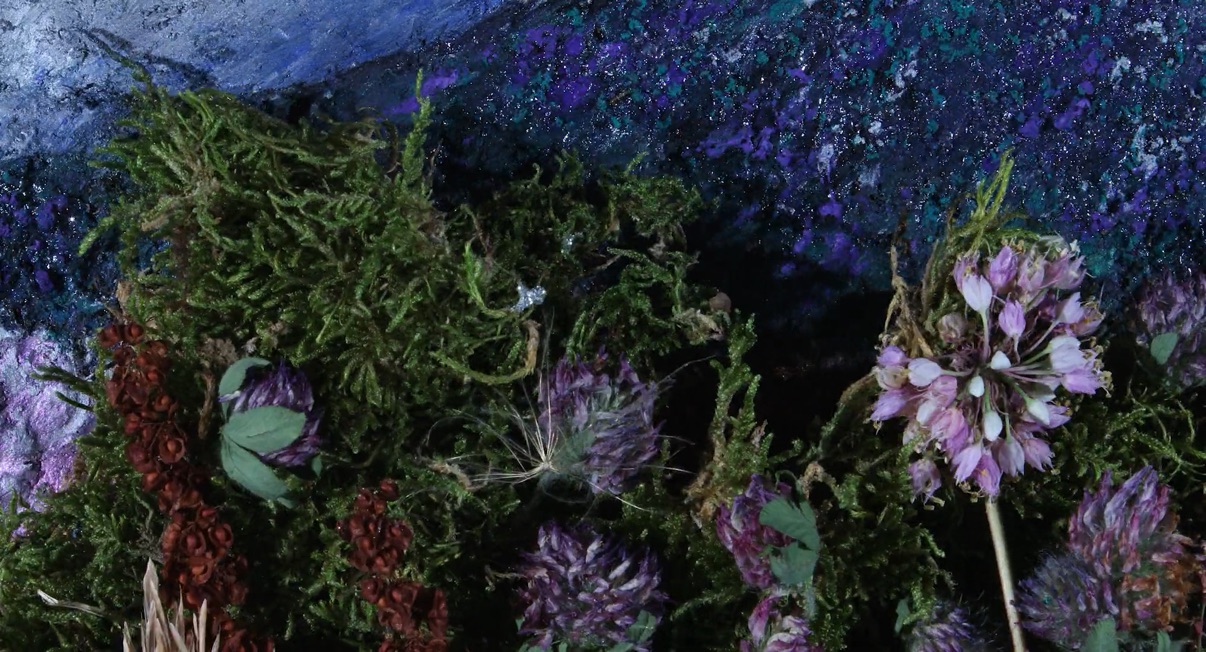
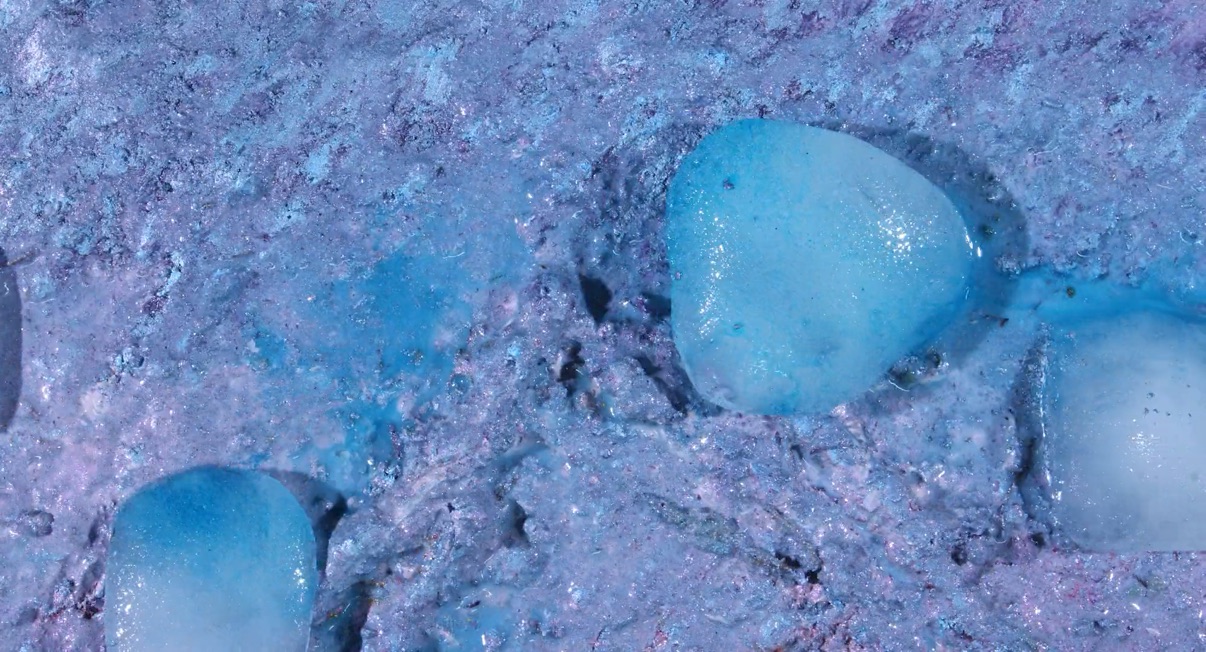
Through the under-the-camera workflow, materials are recognized as collaborative agents, their contingent behaviours inextricably shaping the imagery as much as the artist’s own hands. The process of material animation inherently resonates with animistic thinking, where agency is extended beyond human entities. Telengut ties this relationality to Louise Erdrich’s question: “Who is to say that stones aren’t using us to assert themselves? To transform themselves?”

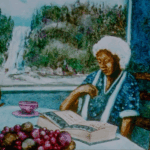
The Song of the Sky and the Breath of Stones in Baigal Nuur – Lake Baikal
Telengut examines how hands-on material practices in animation can articulate relational modes of thinking, with the material, artist, and environment engaged in a shared field of agency.
Read the article hereIrving Hallowell on Ojibwa Ontology
Anthropologist Irving Hallowell examines Ojibwa vocabulary that ascribes personhood to non-human entities and conceptualizes “other-than-human person” to reflect this animistic ideology.
Read the essay here