Notes on the film
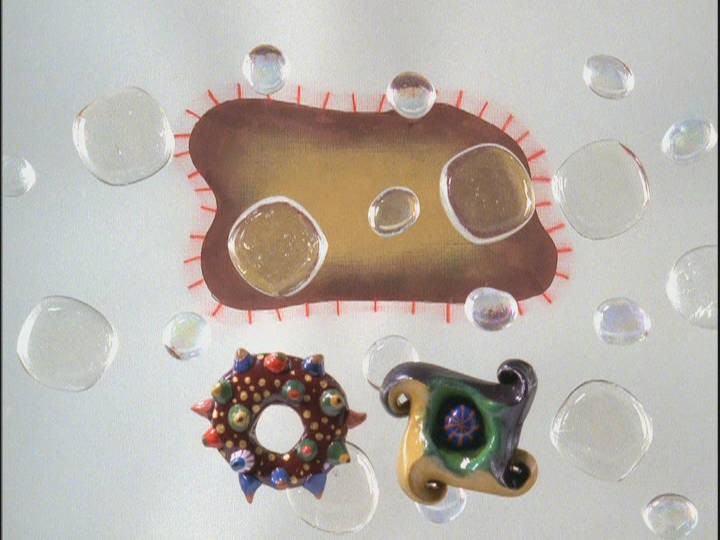
Inspired by a Mexican cenote (water cavern), Surface Dive explores the complexities of aquatic ecosystems through a unique interplay of materials and techniques. Made on a multiplane stand, the film assigns separate planes to glass fragments, polymer clay sculptures, and pastel drawings on paper, allowing the materials to interact in a choreographed visual dialogue. Movement across layers is relational, actively responding to and influencing one another. The polymer and glass pieces are animated using object replacement animation, while sequences of pastel and watercolour on white paper are meticulously hand-drawn in response to the object movements above. The diverse materiality and techniques lend the film textural richness and mimic a thriving biotic ecology. Refractive glass shards create visual effects that reinforce the aquatic milieu while polymer clay sculptures transform into biomorphic organisms, brought to life through rhythmic and cyclical movements akin to breathing. This linear metamorphosis, as they flow forward and backward in repetitive motion, is augmented by distinctive sounds, creating a dimensional evocation of underwater life.
-
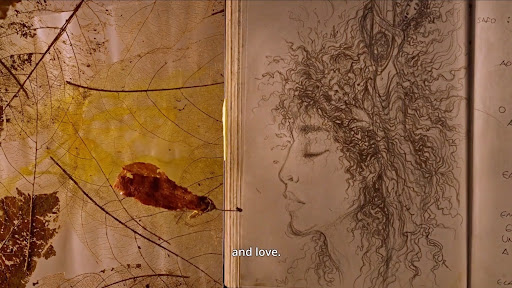
Different materials designated to separate layers interact to create texturally rich landscapes.
-
Different materials designated to separate layers interact to create texturally rich landscapes.
-
Different materials designated to separate layers interact to create texturally rich landscapes.
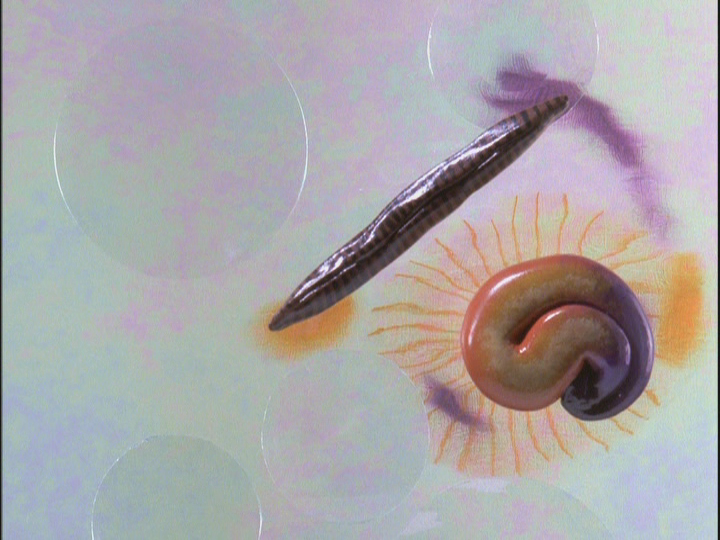
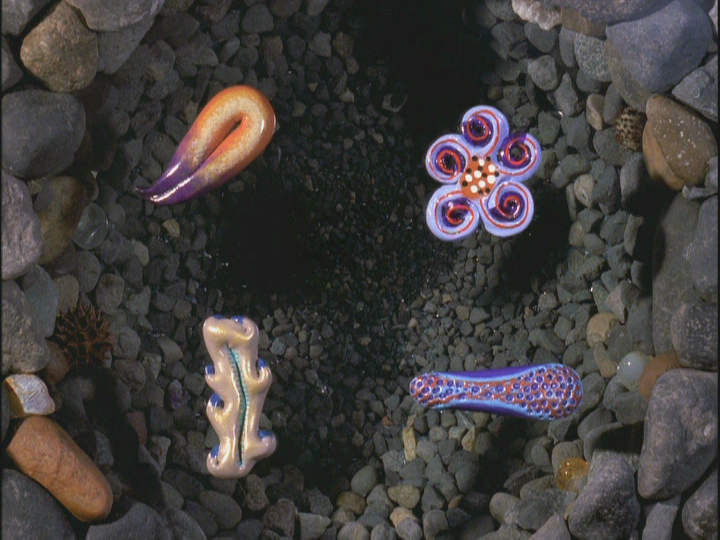
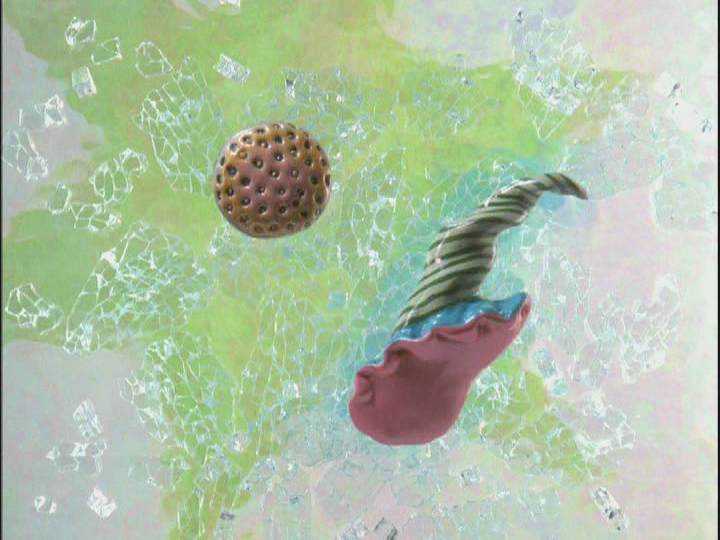
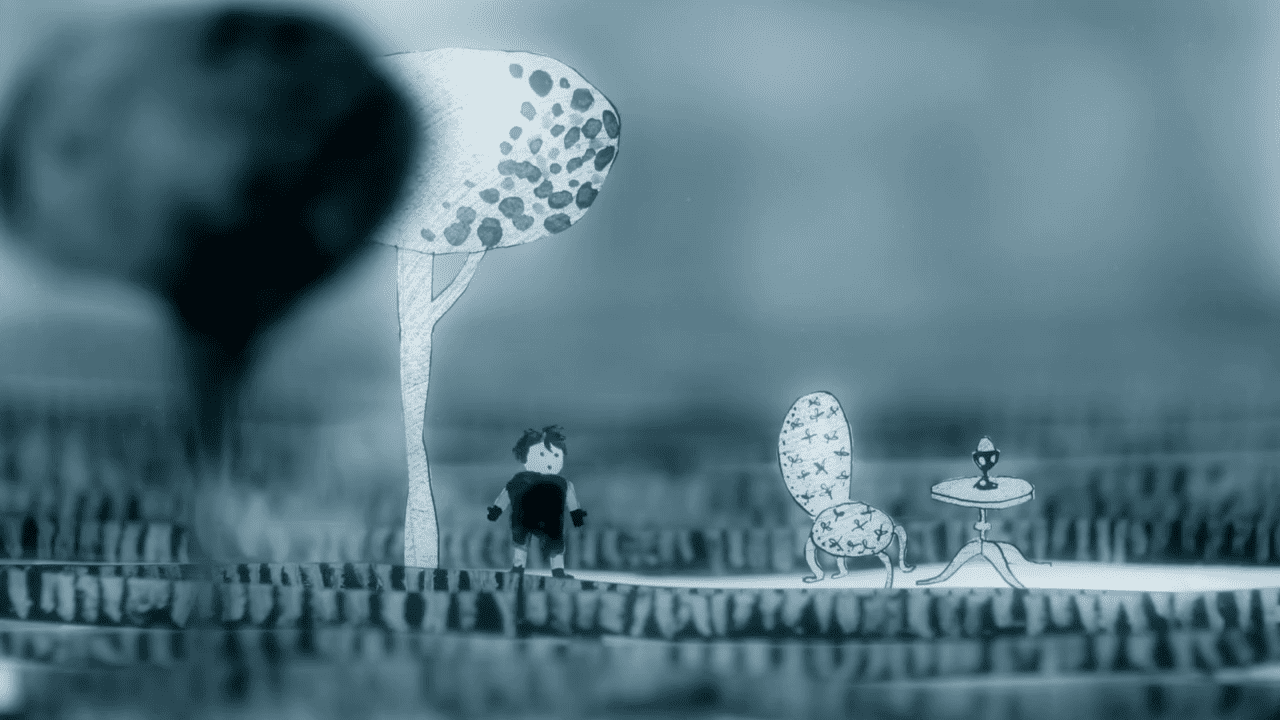
Priestley’s speculative aquatic world explores a constant tension between the natural and the synthetic, using abstract polymer structures to evoke the impression of life. These organisms are unnaturally vibrant in color, resisting likeness to real-life species in shape, texture or hue. The sounds accompanying their motion are ambiguous–neither fully organic nor mechanical– sometimes reminiscent of bated breaths, at other times, the gears or blades of a machine. Without any sense of hierarchy or natural order, these primordial forms coexist in a suspended, symbiotic environment where their apertures imitate mouths, yet are non-consumptive. They float across a stark white landscape framed by uneven glass shards and geometric pastel figures. The softness of pastels complements the solidity of the sculptures, often becoming diffused shadows or trails that track the movement of the clay creatures. One exception to this visual continuity, however, is a late sequence, which features a backdrop of dimensionally scaled rocks that create the illusion of a deep, cavernous tunnel, directly alluding to the natural location that inspired the film.
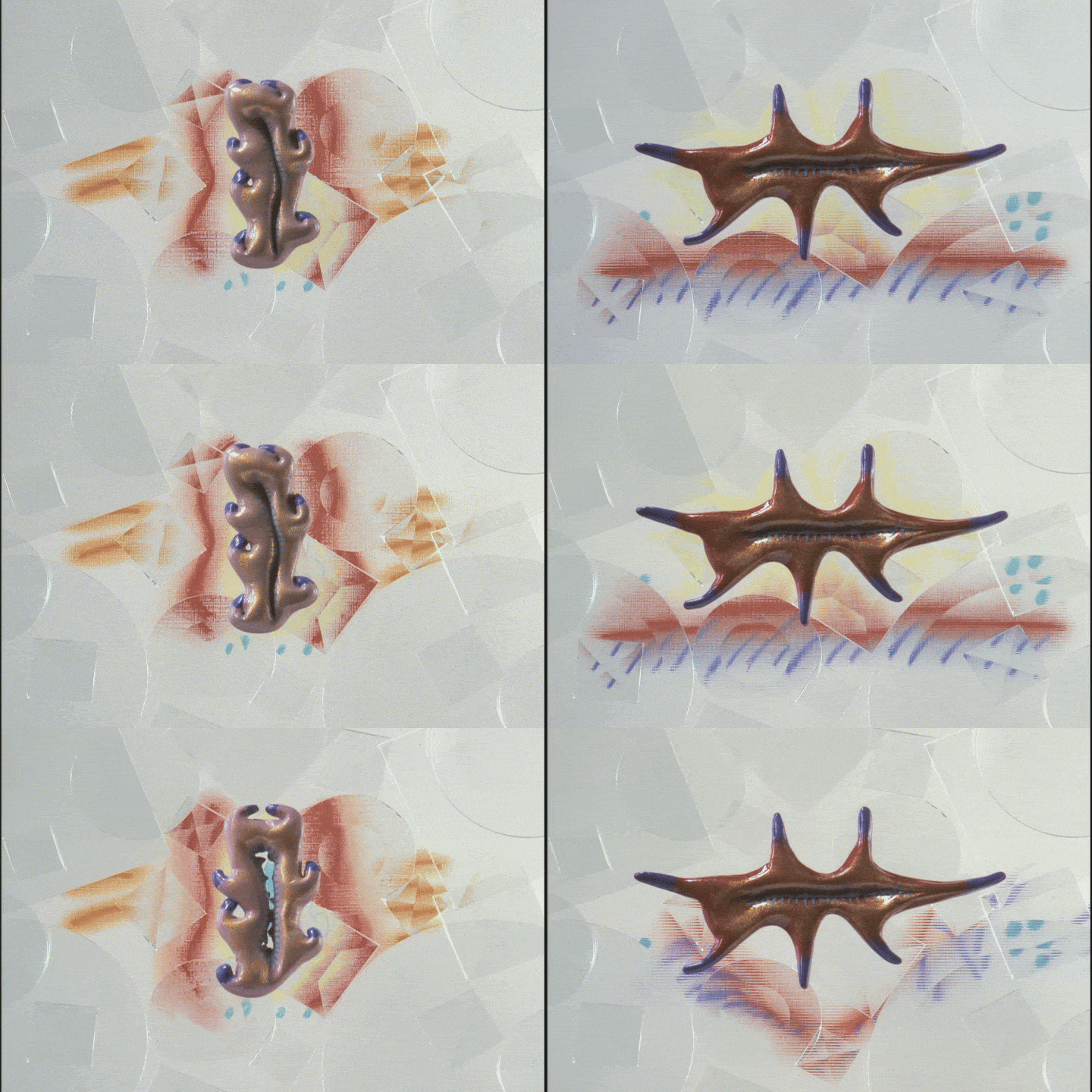
Polymer clay structures become biomorphic organisms flowing in repetitive cycles of movement.
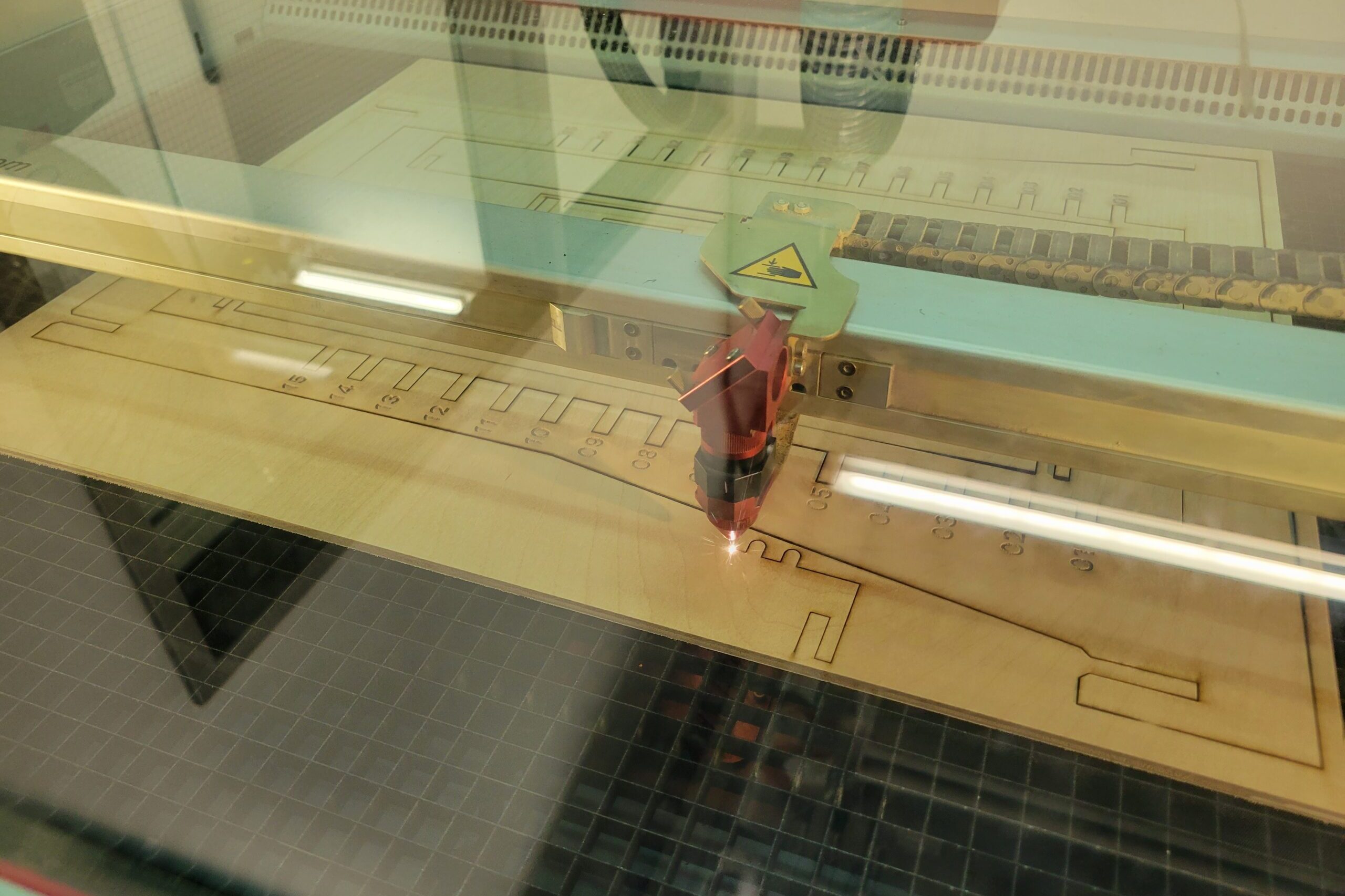
The most intriguing disruption of the film’s visual style is provided by interspersed shots of the production setup, re-situating the creatures in tangible reality, with the multiplane stand becoming analogous to an aquarium or fish tank for these synthetic beings. Another distinctive aspect is the use of glass–often transparent and inert in multiplane setups– taking on an active role. Fragments of various textures and shapes distort and fracture the image, creating interesting, layered compositions. The optical properties of the glass also imitate water effects through reflection, refraction, magnification, and shadows cast onto underlying layers.
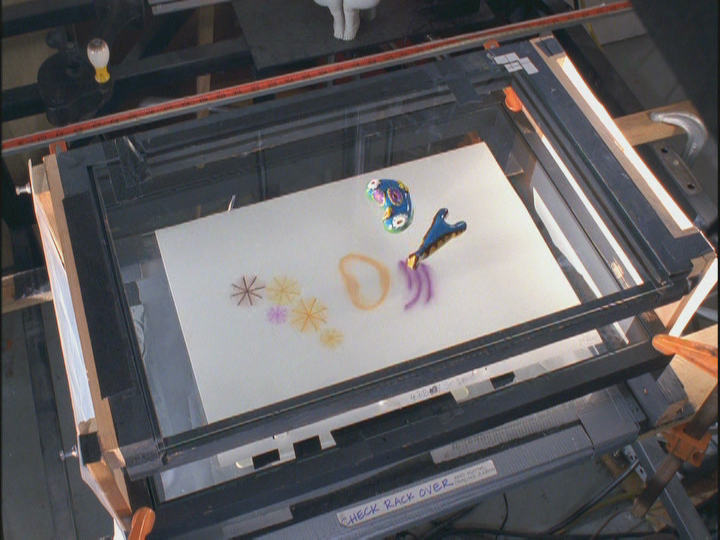
Shots within the film where the multiplane stand becomes a glass fish tank for glossy creatures.

Tracing the Multiplane: Toward a Genealogy of Animation Apparatuses
A journal article on multiplane as an animation apparatus by Dr. Alla Gadassik, which also discusses independent animators like Priestley who employ its mechanisms in different ways.
Read the article herePriestley Motion Pictures
Explore more of filmmaker Joanna Priestley’s animations, continuing on her playful and inventive approach seen in Surface Dive.
Visit the website hereA guide to the multiplane
This extensive guide explains the technical operation of the multiplane and traces its history and use across prolific media.
Read the guide here