Nitya Ramlogan on Puppet Animation and Creative Processes
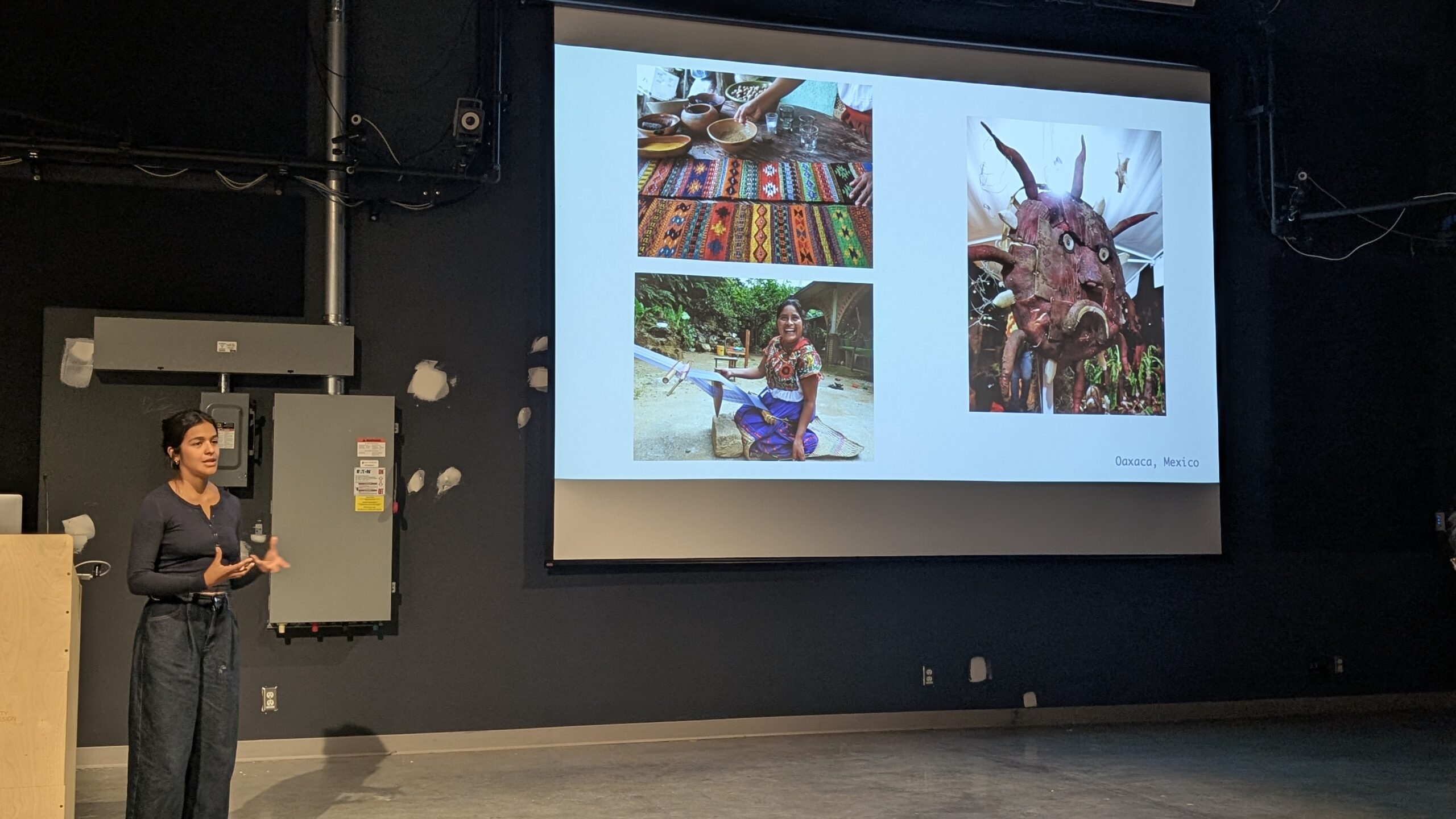
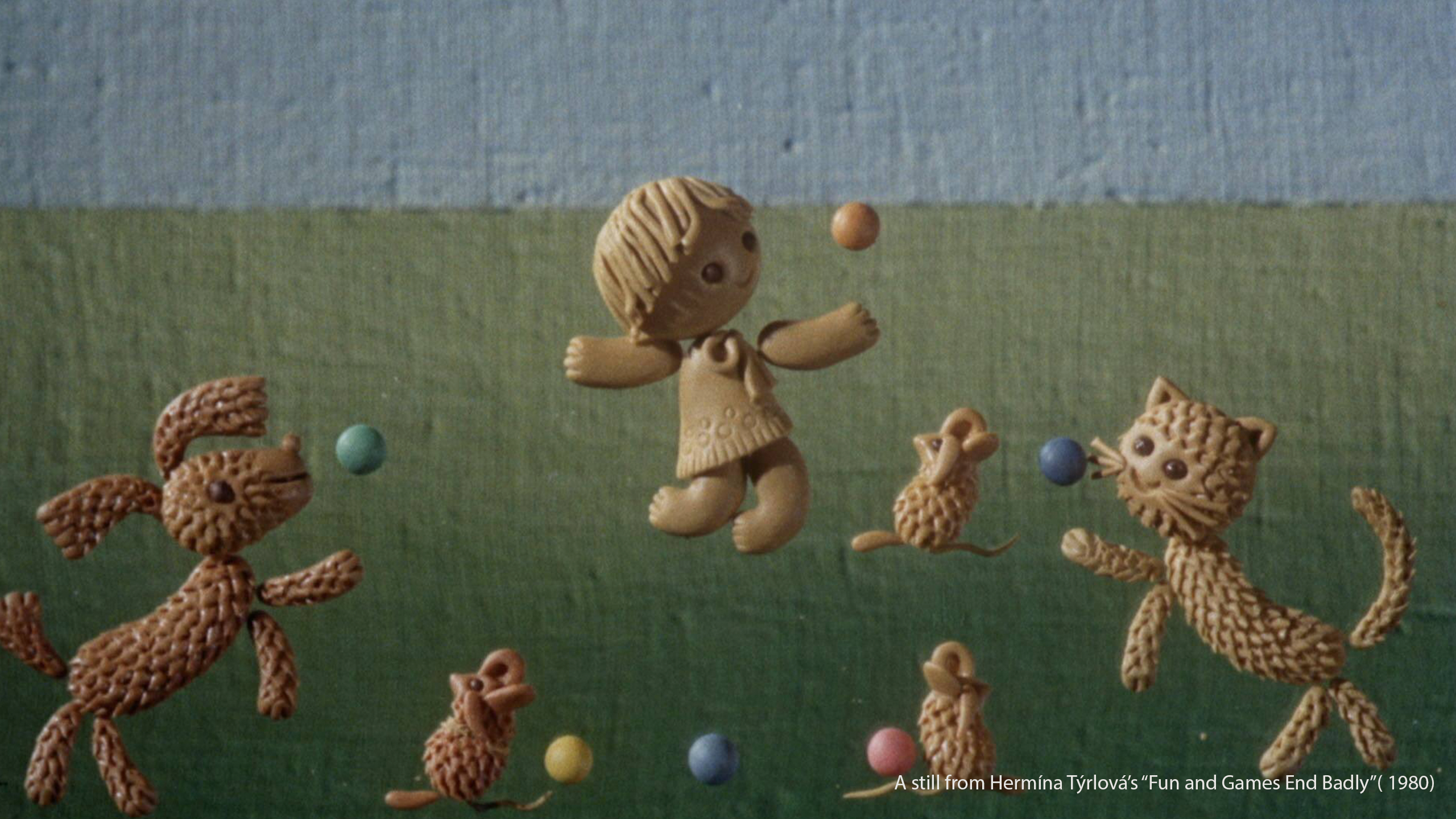
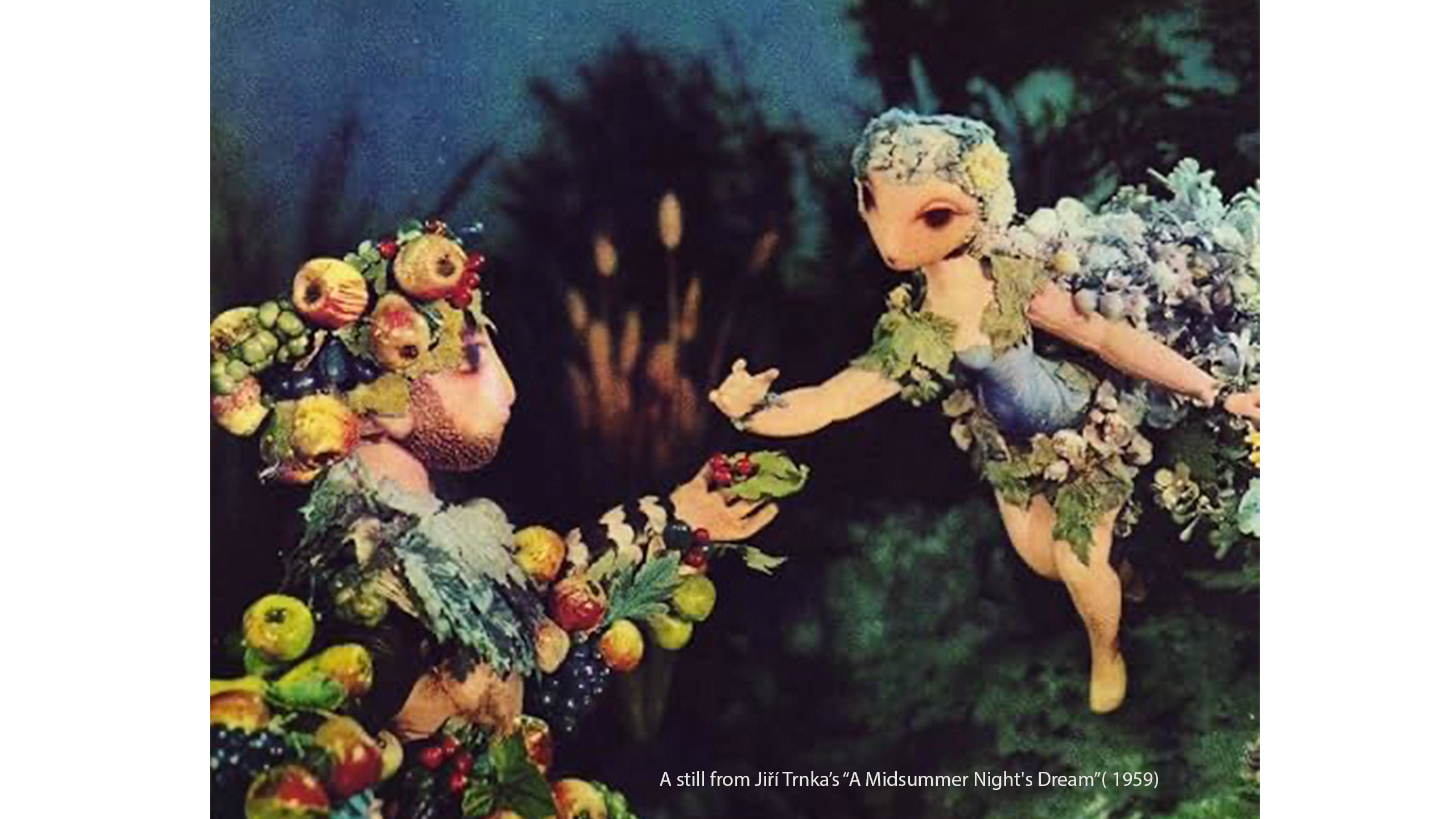
Nitya Ramlogan is a Chicago-based animator and filmmaker whose experimental animation practice draws on hybrid methodologies in form and theme—digital and analog, fiction and documentary. She visited the Animate Materials Workshop in September 2026 to present on her production process and material inspirations, focusing on her two recent short films, Criatura (2025) and Bloom (2024). Ramlogan’s interest lies in combining materials to layer textures, and she is often inspired by local artisans in places she’d lived. She cites the Mexican festival “The Night of the Radishes” as a formative experience, where she revelled in the beautiful, intricate, vibrant work of local artisans. As an animator, she looks up to distinguished artists like Yuri Norstein, Jiří Trnka, and Hermina Tyrlova, whose work features puppet animation. Cutout and puppet animation remain Ramlogan’s predominant focus in her practice.
-
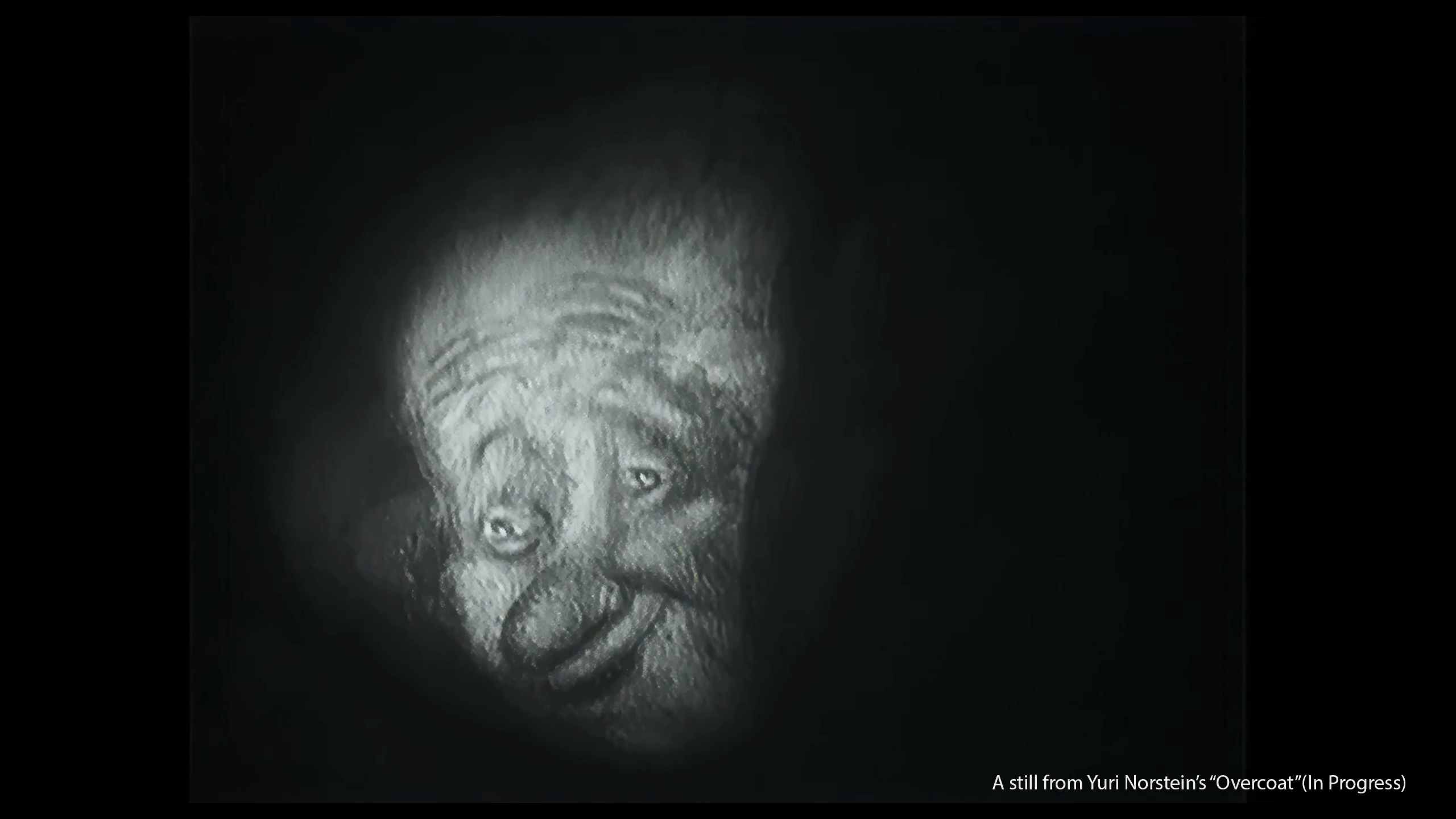
Three films that influenced Ramlogan during her graduate studies at FAMU in Prague.
-
Three films that influenced Ramlogan during her graduate studies at FAMU in Prague.
-
Three films that influenced Ramlogan during her graduate studies at FAMU in Prague.
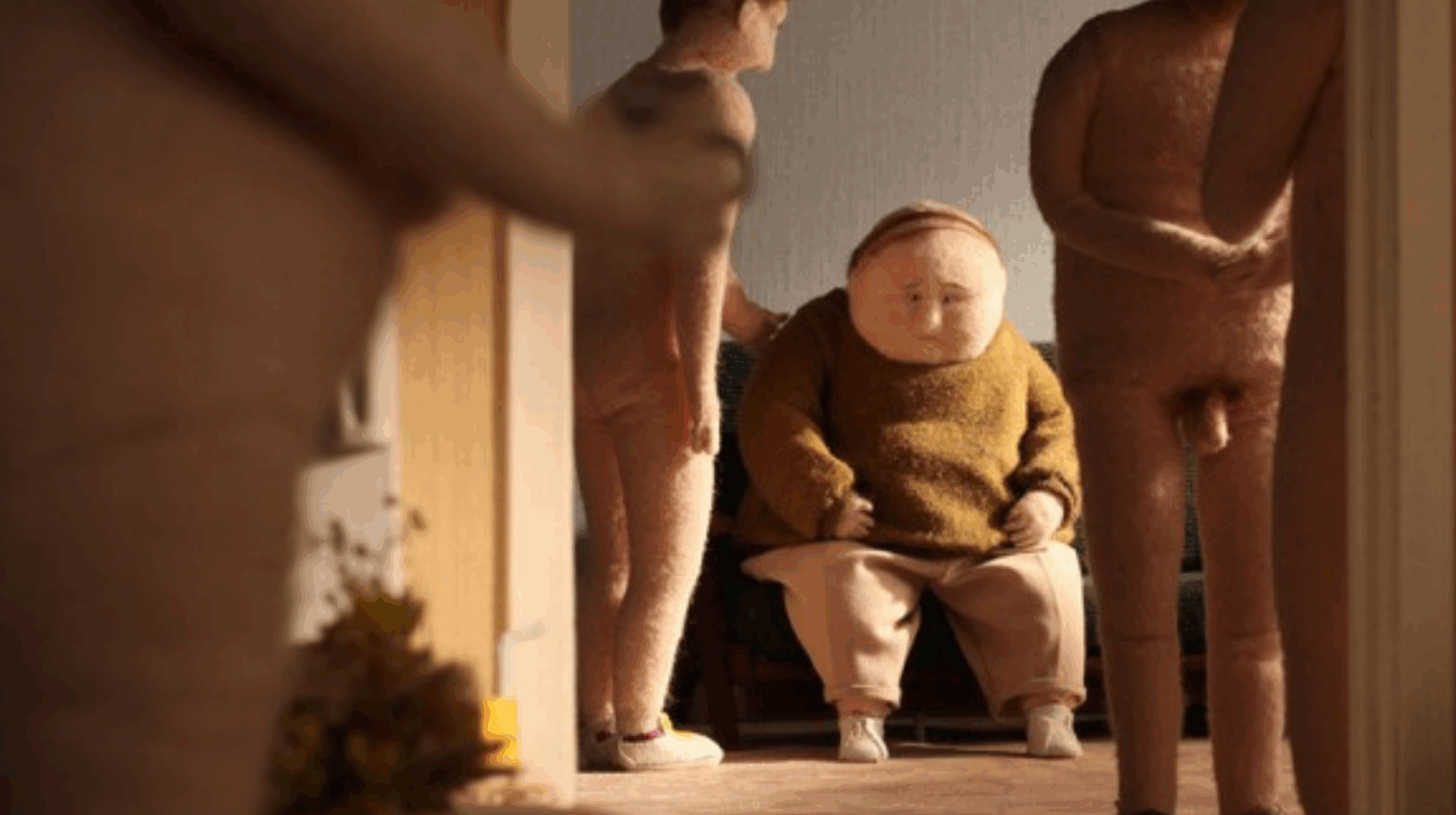
Ramlogan’s graduate film Bloom (2024) is a stop-motion film featuring tactile puppets made from felt, paper, and textiles that bring whimsical, anthropomorphized plant characters to life. In her talk, she shared that the most demanding aspect of the production process was deciding on its material approach. She eventually settled on constructing the puppet from felt and wool, held together with wires through the limbs, and using hard, air-drying clay to add dimensionality to flat figures. She crafted the faces by layering foam over clay, then adding a layer of felt. It took four months to complete production, after which music was added in collaboration with a friend composer.
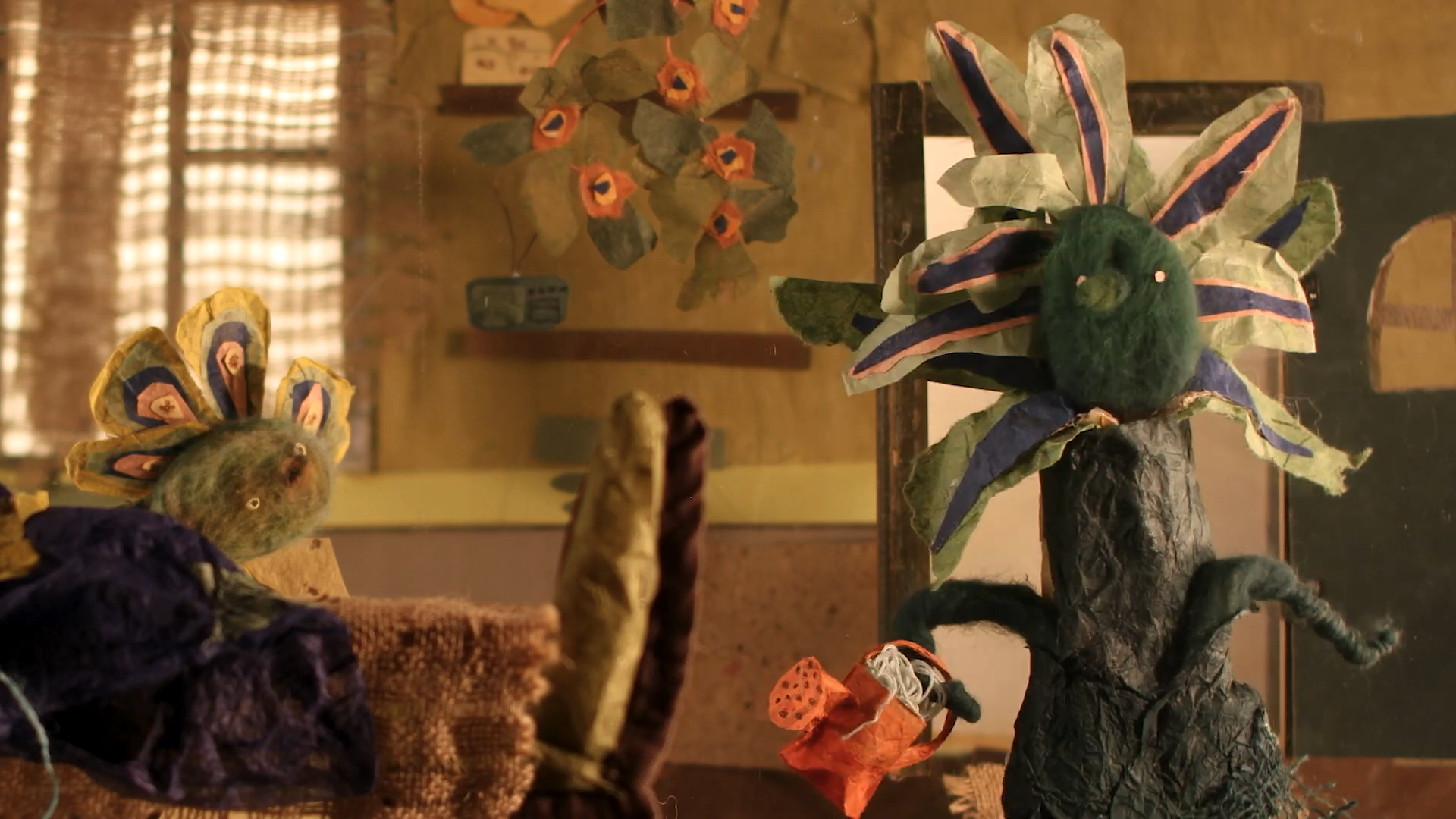
A still from Bloom featuring vibrant puppets made using felt, paper, and textile.
Ramlogan attended the National Film and Television School (UK) for her MFA studies. There, she produced her film Criatura, a fictionalized documentary about a young girl navigating her identity as an immigrant. She shared that the concept grew out of a collaboration with EAL (English as an Additional Language) students at St. Gabriel’s College in London. Rather than simply surveying for stories, she ran spontaneous workshops on comic strip creation and creative writing to involve her participants in concept development. Through this process, Ramlogan gained an intimate understanding of the lived experiences of the students, which influenced her production choices.
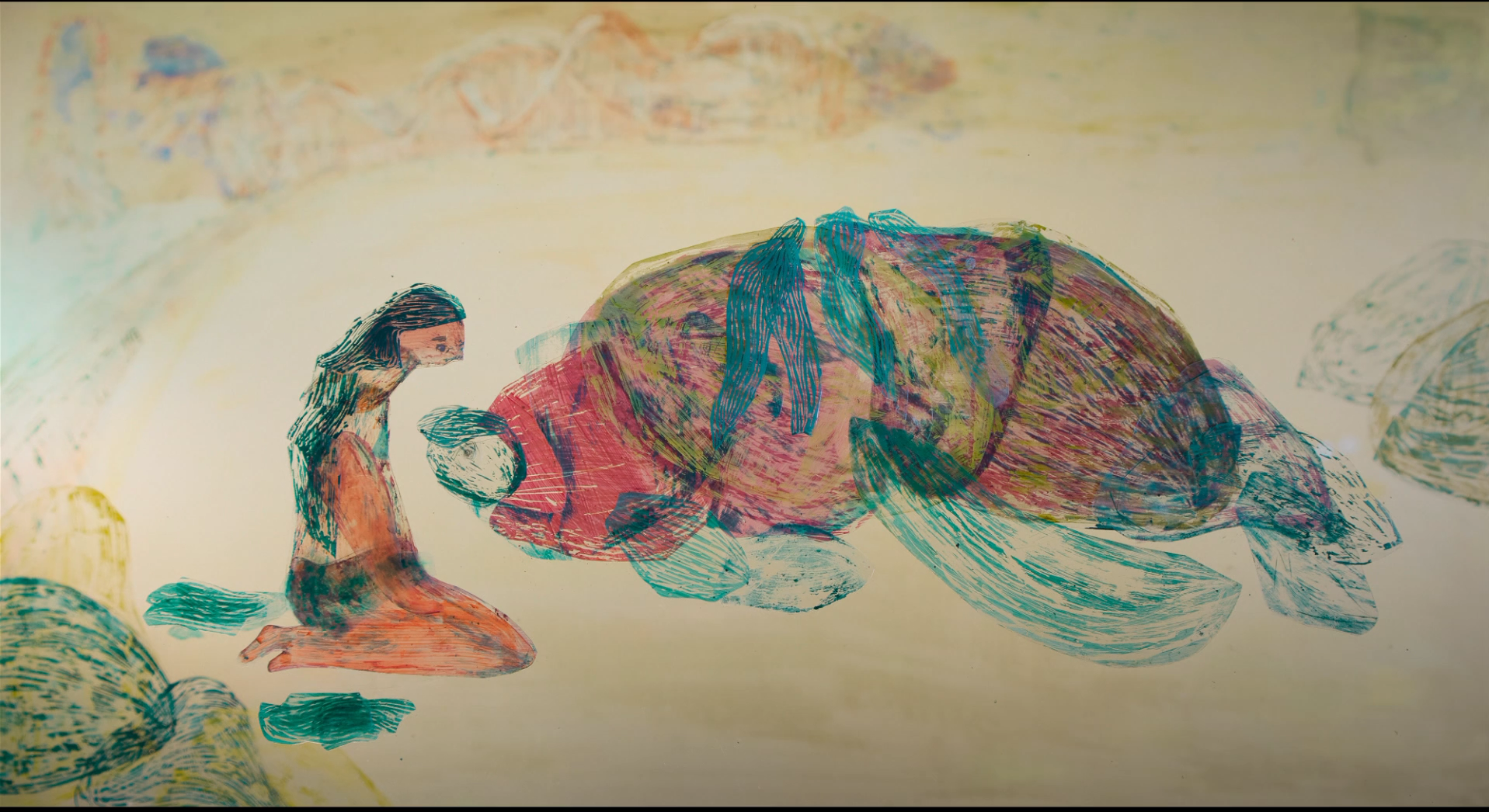
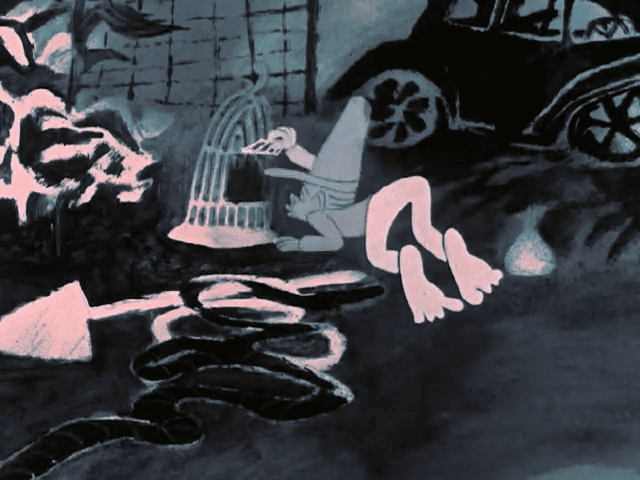
A still from Criatura with gouache-painted celluloid puppets.
Ramlogan brought Criatura’s production assets on her visit, which were displayed on overhead projectors during her presentation. She intricately constructed her puppets from acetate celluloid sheets, painted them with gouache and acrylic paint, and attached the joints with transparent tacky wax. On her multiplane setup, she used both top and back lighting, balancing the two to achieve the puppets’ chromatic range. The translucency of her figures becomes a key part of her visual language, with overlapping layers blending into one another to resemble memories. She used focus pulling to shift different multiplane layers in and out of focus, making the camera a narrative device in the film.
-
Some assets of Criatura displayed for the presentation.
-
Some assets of Criatura displayed for the presentation.
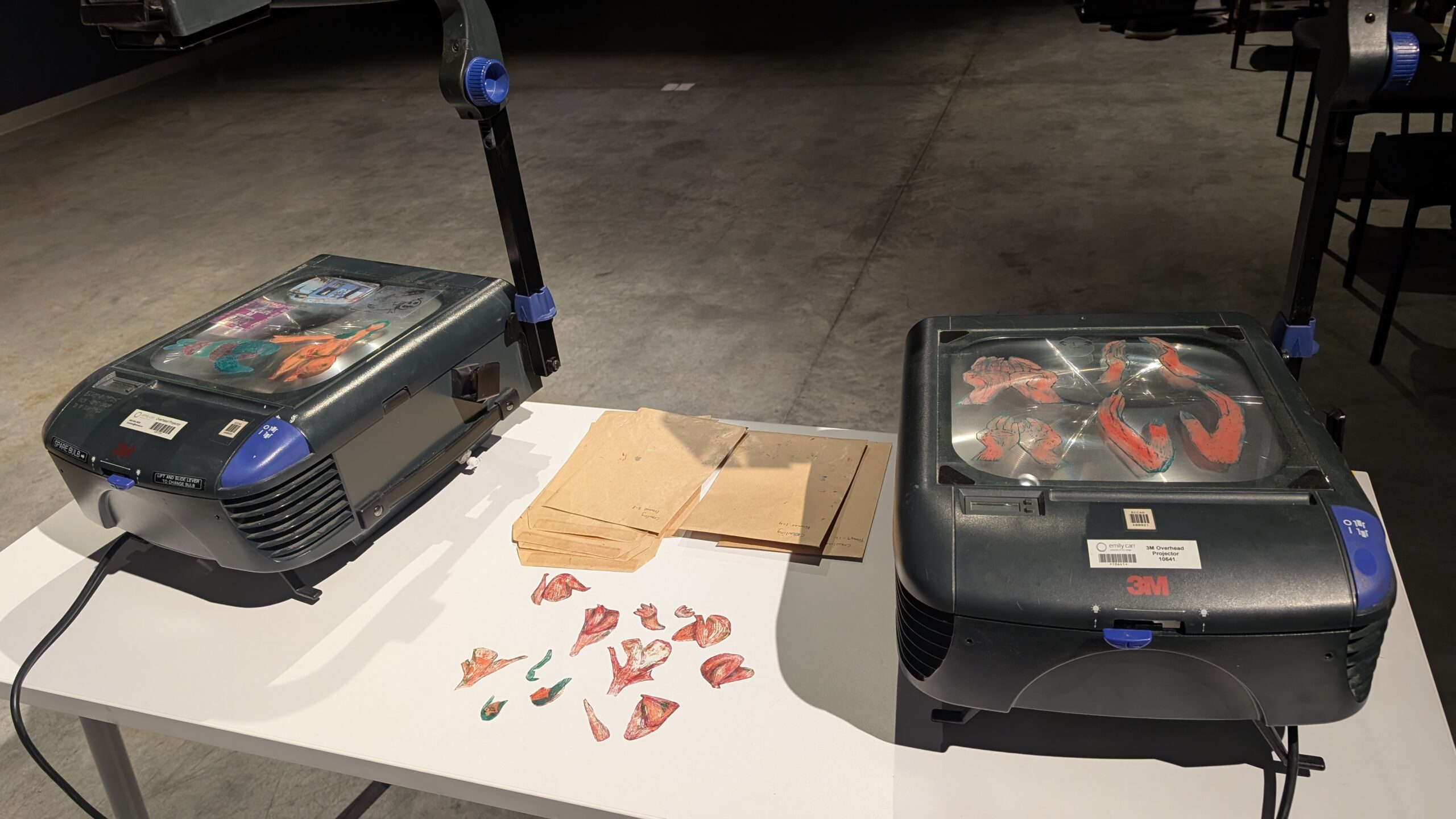
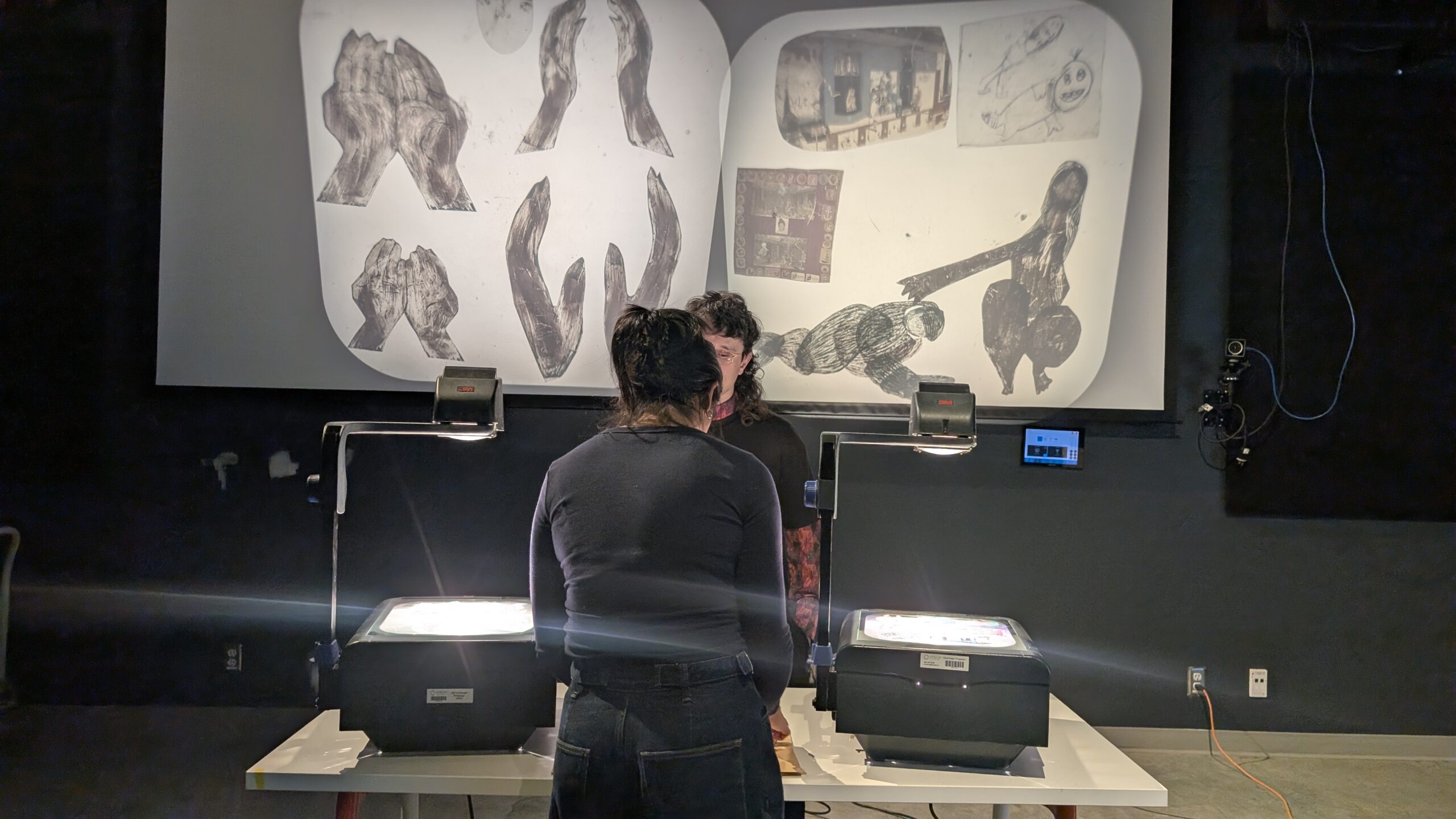
Ramlogan reflected on the long process of concept development and material exploration for this film. Initially, she intended to animate the puppets over two layers, but she noticed how this demanded a lot of time for execution, so she switched to a single-layer workflow for efficiency. She crafted multiple face iterations, animated them with replacement animation, and separated the eyeballs into another layer that moved independently. For many movements, she cut away parts of the puppets incrementally across subsequent frames, creating a more destructive workflow where assets could not be reused.
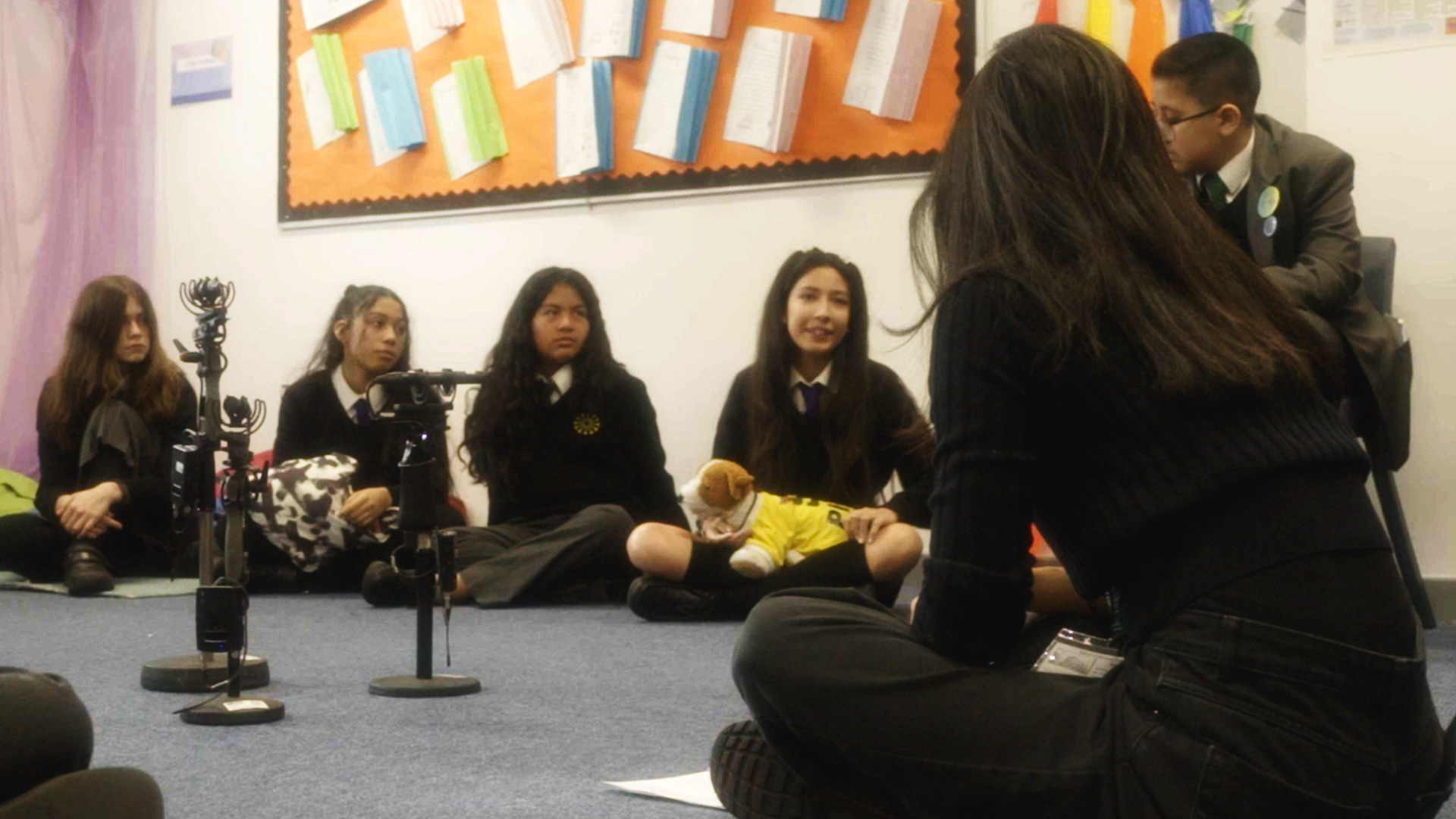
A photograph from the collaborative storytelling workshops Ramlogan held with EAL students.
When asked in the Q&A session that followed her presentation about collaborating with young students and what the experience entailed, Ramlogan reflected that it helped her shed full control over every aspect of production, as the process necessitated a level of playfulness and spontaneity. In the end, she felt sincerity in expressing the story through the connection she built with the student participants. Another question focused on the title itself: Criatura, a familiar Spanish term of endearment for a child, and how Ramlogan arrived at it. Interestingly, Ramlogan shared that the title’s first iteration was “Stepping Stones,” tied to an earlier scripted opening scene of throwing stones into the water to discover the creature. After adjusting the story and reflecting on the title, she shifted to Criatura, which she now finds more fitting.

Nitya Ramlogan’s work
Explore more experimental works by Nitya Ramlogan engaging with various digital and analog materials.
Visit her website hereYuri Norstein–Tale of Tales
An animated short made by distinguished Russian animator Yuri Norstein, whom Nitya cites as an inspiration for her own films.
Watch the short here